
Case study · Babbacombe, Torquay
Heavy lichen removed from roof tiles
- ✦ 30+ years' experience
- ✦ Fully insured
- ✦ 80+ 5★ reviews
- ✦ Free quotes
Get a free quote
Fast, friendly, no-obligation pricing.
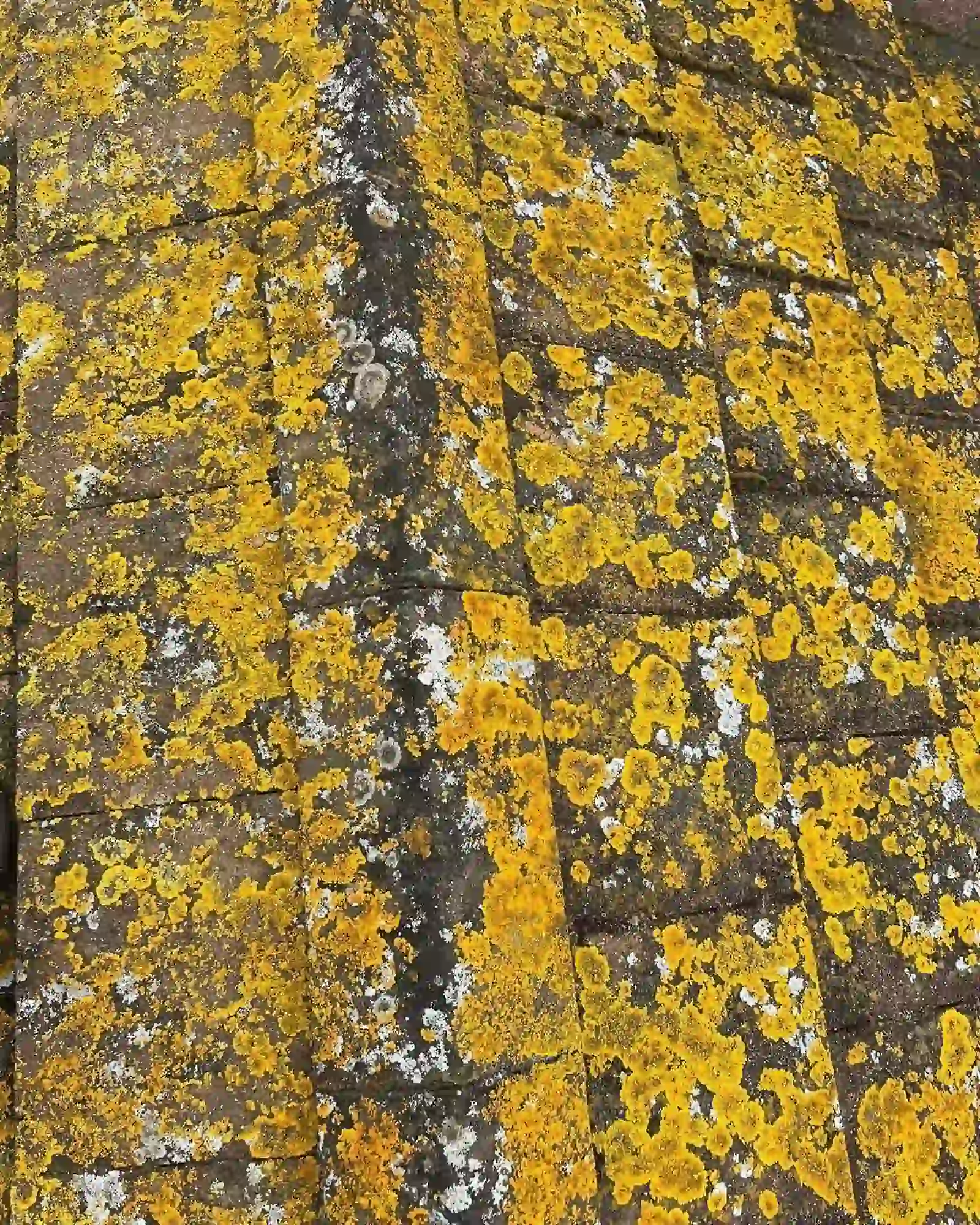
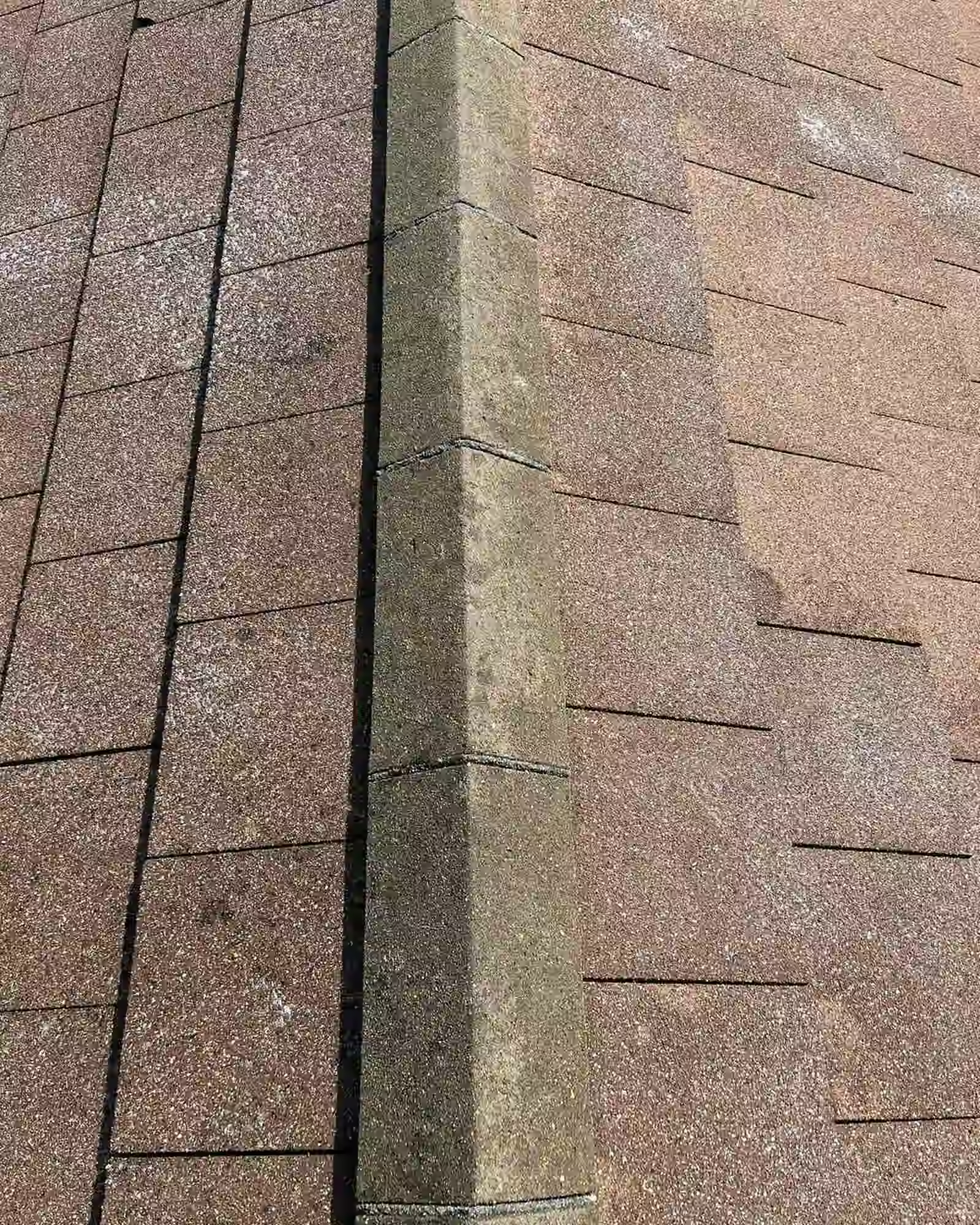
Being so close to the sea, homes in Babbacombe are prone to lichen, and this roof was a prime example. The tiles and ridge were almost completely covered in thick yellow growth, which not only looked untidy but can hold moisture against the tiles and shorten their life.
Lichen clings tightly to roof tiles, so blasting it with a pressure washer would risk damaging the surface and forcing water under the tiles. Instead, we carefully removed the growth by hand and then applied a soft wash biocide treatment at low pressure. This kills the spores at the root, so the lichen continues to break down and is far slower to return.
The result is a clean, even roof and ridge line that has taken years off the look of the property — and the treatment keeps working long after we have packed up.
The challenge
Coastal air had left the roof and ridge tiles almost entirely covered in yellow lichen.
Our solution
Lichen carefully removed by hand and soft washed with a biocide treatment — no high-pressure blasting on the tiles.
The result
Clean, even tiles and a ridge line that looks years younger, with long-lasting protection.
Planning a similar lichen-affected roof clean
Lichen on a roof raises different questions from loose dirt on paving. Its attachment to the covering can make removal more demanding, so the aim should be an appropriate maintenance clean rather than a uniformly new appearance. Natural colour variation and weathered finishes may remain visible even where removable growth has been addressed.
A preliminary assessment should identify the roof covering, its condition and any known defects. Loose ridge components, cracked tiles, suspect coatings and previous repairs all affect suitability. Ground-level photographs can help explain the concern, but they cannot confirm hidden conditions or replace a closer professional inspection where that is needed before work proceeds.
Considering methods for similar roof coverings
Mechanical removal and suitable low-pressure treatments have different roles. Removing attached growth too aggressively can disturb a vulnerable surface; a treatment-led approach may involve a less immediate visual change. The proposed balance should be explained against the actual covering, rather than assuming every roof with pale or yellow patches needs the same process.
Any proposed product needs to be compatible with the roof and surrounding materials, with application and runoff controlled appropriately. Ask how nearby planting, rainwater collection and adjoining property would be protected. Treatment selection is a site-specific decision, not something that can be established from the colour of the growth in a photograph alone.
Preparing a similar roof enquiry
For a similar enquiry, send views of each affected slope from a safe position, plus photographs showing the building and available access. Mention conservatories, extensions, roof windows and restricted ground space. Disclose leaks or previous roof repairs, and explain whether gutters discharge to water storage or another arrangement that needs particular consideration during cleaning.
Clarify the boundaries between cleaning, gutter debris removal and roofing repairs before accepting the scope. Ask how any remaining marks will be discussed and what inspection is possible on completion. No cleaning method establishes the condition beneath the covering. These planning points are separate general advice, not additional evidence about the roof featured above.