Exterior cleaning specialists in TorquayCall 01803 424114
SAS Window Cleaning
Patio & Driveway Cleaning in Torquay — SAS exterior cleaning

Patio & Driveway Cleaning in Torquay

Patio & Driveway Cleaning in Torquay

Patio and driveway cleaning for Torquay homes: natural stone, porcelain, block paving, concrete, tarmac and resin, with the method chosen for the material and its condition.
  • ✦ 30+ years' experience
  • ✦ Fully insured
  • ✦ 80+ 5★ reviews
  • ✦ Free quotes

Get a free quote

Fast, friendly, no-obligation pricing.

Prefer to talk? Call 01803 424114.

Local patio & driveway cleaning specialists

Professional patio & driveway cleaning

A shaded sitting area and a regularly used parking space collect different deposits. Algae, leaf staining and soil can hide the pattern of patio slabs; oil, rubber and compacted dirt can spoil driveway blocks. Cleaning is worthwhile when those deposits make the space unpleasant to use or difficult to maintain. It does not fix rocking slabs, sunken wheel tracks or poor falls, so we separate the cleaning need from any necessary paving repair.

Torquay gardens can include older stone alongside modern porcelain, while entrances may use blocks, resin or tarmac. We identify each surface and its jointing before agreeing treatment. A representative trial helps establish what the finish will tolerate and whether a particular stain is likely to improve. We manage wash water around low doors, borders and drains rather than treating stronger pressure as the answer to every dark patch.

Tell us which areas matter most and show both their condition and the equipment route. Your written quote identifies the cleaning boundary, specific stain treatments, conventional block-paving re-sanding and any optional sealant. Washing and dry finishing may need separate weather windows. At handover, we explain residual marks and when furniture or vehicles can return, instead of promising an immediate new-looking surface.

Why it matters in Torquay

Why patio & driveway cleaning matters

Shade beside garden boundaries

A sheltered Chelston or Cockington seating area can retain moisture and develop green growth. Removing deposits can improve presentation and reduce one contributor to slipperiness, without making wet paving slip-proof.

Slopes and entrance use

On a sloping Torquay drive, debris and vehicle residues need checking alongside where wash water travels. Cleaning restores visibility of the surface; it cannot alter its gradient or drainage design.

Our process

How our patio & driveway cleaning works

01

Inspect

Identify paving and jointing, coatings, stains and loose sections; test a representative area.

02

Prepare

Move agreed items, protect planting and establish a controlled route for wash water.

03

Clean

Treat appropriate deposits and clean evenly, changing methods at material boundaries.

04

Finish

Re-sand suitable conventional block joints in dry conditions and discuss optional sealing.

Local coverage

Patio & Driveway Cleaning across Torquay

We provide patio & driveway cleaning throughout town. Send your postcode, photographs and any access restrictions for a free quote.

Block paving: clean faces without undermining the joints

The useful starting point is the driveway's condition under normal use. Loose dirt, surface growth and vehicle residue can make it look untidy and leave material being walked towards the front door. Cleaning can remove suitable deposits and make the underlying finish easier to assess. It cannot correct sinking wheel tracks, stop a vehicle leaking or turn worn surfacing into new material. Tell the cleaner whether your priority is the entrance, parking spaces, edges or a particular stain.

Permeable paving also needs its jointing and drainage function considered. Standard replacement sand is not appropriate for every system, and cleaning should not introduce material that interferes with the design. Where blocks are laid conventionally, suitable joint replenishment may form part of the work once conditions allow. Ask what joint material is proposed and why. If the surface type cannot be confirmed from a picture or description, a closer inspection is preferable to applying a generic driveway cleaning specification.

Indian sandstone and natural stone

Tell the cleaner whether the patio is natural stone, concrete paving or porcelain, and share any product information left by the installer. Limestone can react badly to acidic cleaners, while some textured surfaces hold grime in their recesses. Porcelain tiles also need their grout and edging considered, not just the face of the tile. Where the material is uncertain, identification and a discreet test should come before a treatment is spread across the whole seating area.

Black spotting, barbecue grease, plant marks and rusty furniture feet should be identified separately during the assessment. Organic staining may respond to a suitable specialist product, while grease absorbed into porous stone can remain after the surface is clean. Explain whether marks appeared after moving pots or applying a previous treatment. That information helps avoid unnecessary chemical applications and gives you a clearer idea of which parts of the patio are likely to change noticeably during the work.

Expect the stone's own character to remain visible. Differences in slab batches, worn areas beneath chairs and patches sheltered by planters can become clearer after cleaning. A test area can help set expectations, although it cannot represent every stain on the patio. If the appearance depends on removing a deeply embedded mark, discuss that before booking. Leaving a faint mark may be preferable to altering the surrounding stone in pursuit of an even colour the material cannot realistically provide.

Tarmac and resin: respect the binder

Block paving, tarmac, resin and patterned concrete need different handling. Let the cleaner know about installation information, previous sealers and recent repair areas. On tarmac or resin, loose material is a warning against forceful washing. Patterned concrete may have a coating that needs careful assessment before cleaning products are chosen. A test should check the response of the existing finish rather than simply demonstrate that dirt can be moved with a powerful jet of water.

Tarmac and resin-bound surfacing depend on sound binders and firmly attached aggregate. A cracked edge or loose patch needs repair advice before washing. We test a modest setting and use a compatible product rather than a solvent chosen only for its stain-removing strength. Resin-bound and resin-bonded finishes are not identical systems; installation information helps establish the correct care. Do not assume that what worked on neighbouring blocks will suit an aggregate finish. A patch that remains dark may be weathering or absorbed oil rather than removable grime.

Concrete and porcelain surfaces

Plain concrete, imprinted concrete and concrete slabs require checks for friable faces and existing coatings. A strong jet can scour a weathered surface or expose aggregate, leaving permanent bright tracks. Textured porcelain usually benefits from compatible detergent and controlled brushing across its relief, with particular care at grout and edges. We treat the paving and jointing as a system, not just a collection of hard faces. Recent repairs or coatings need their specified curing period before cleaning is considered.

Oil marks need a different conversation from ordinary road dirt. Describe whether the mark is fresh, regularly replenished or left from a previous vehicle. A suitable cleaner may reduce contamination, but oil absorbed into porous material can leave a shadow. Tyre marks, metal staining and residue from stored items can also respond differently. Aggressive treatment aimed at a persistent mark may change the surrounding surface, so agree what degree of improvement is realistic before targeted stain work begins.

Sealing: an option, not an automatic extra

Sealing is a choice to assess, not an automatic final step for every patio. Suitability depends on the material, previous products, moisture conditions and the finish you want. Some products can change the appearance, so ask about a sample and the manufacturer's requirements before agreeing. The paving must be in an appropriate condition for the chosen product. If you simply want a clean outdoor sitting area, it is reasonable to decline sealing where there is no clear need for it.

If sealing is being considered, establish whether an existing coating is present and whether the proposed product is compatible. Sealing can alter the appearance and should not be treated as essential for every driveway. Ask the quote to distinguish general cleaning, difficult stain treatments, joint replenishment and any optional coating. It should also make clear whether garage floors, boundary walls, drainage channels or adjoining paths are included. Naming those areas avoids assumptions based simply on their position next to the drive.

Garden furniture, pots, ornaments and outdoor cooking equipment all affect access. Agree which movable items will be handled and flag anything heavy, fragile or fixed in place. Emptying a planter is a different job from shifting a lightweight chair. Move cushions, toys and pet bowls indoors, and identify plants that need particular care. The cleaner should also know about ponds and exposed soil near the patio so that the proposed treatment and runoff arrangements can be assessed properly.

Re-sanding and returning the paving to use

Where conventional block paving needs fresh jointing sand after cleaning, the surface and joints must be suitable for that work. Ask whether replenishment is included and how completion will be arranged if conditions are unsuitable immediately after washing. Sand in the joints does not correct a failed base or repair rocking blocks. Missing edge restraints, uneven sections and large joint defects should be identified separately so that a routine clean is not mistaken for a paving repair.

Follow the specific guidance before parking again, especially where a coating or targeted treatment has been applied. Do not assume a surface that looks dry is ready for tyres or turning movements. Ask how to handle any loose excess joint material without pulling it from the gaps. Keep vehicles clear while work remains incomplete, and let other household members know which route to use. These practical arrangements matter more than trying to hurry the last stage to reclaim a parking space.

After cleaning, follow the advice for using the patio again, particularly if a treatment or joint repair forms part of the job. Replace furniture carefully and consider suitable feet beneath items that can leave rust or abrasion marks. Avoid placing pots directly over drainage points. A clean patio still needs ordinary housekeeping: sweep up leaves, remove spilled food promptly and brush soil back into borders rather than washing everything into the joints. These habits address the sources of mess without repeated intensive treatment.

Signs you need patio & driveway cleaning

Patio problems tend to show up where the garden stays damp or gets regular use. A green film beside a shaded seating area can become slippery after rain; black lichen spots, barbecue grease and soil from planters create different kinds of marking. Notice whether water pools on particular slabs or runs towards the house, as persistent damp may have a drainage cause rather than a cleaning one. Loose mortar, rocking flags, chipped edges and failing resin joints signal that a wash may expose or aggravate a repair issue. Natural stone often has veins and colour changes that are not dirt, while pale deposits can be mineral staining. Tell the cleaner whether the paving is sandstone, limestone, porcelain, concrete or unknown, and mention prior sealers. A suitable test patch should include a representative slab and joint, not just the strongest-looking corner.

Our process step by step

  1. 1.

    Inspect surface and joints

    Identify the paving type, loose areas, coatings, drainage and stains. Mark boundaries and note whether blocks are conventional or part of a permeable system. Separate pedestrian access from hoses.

  2. 2.

    Clear the working space

    Arrange to move vehicles and bins from the agreed area. Keep a usable entrance route and point out drains, garage thresholds and nearby electrical charging equipment. Protect drains from oily washings.

  3. 3.

    Treat growth and stains

    Remove weeds where practical and apply compatible treatments to organic growth or specific marks. Test oil treatment discreetly; avoid spreading residues towards drains. Use a stain test before treatment.

  4. 4.

    Clean with suitable equipment

    Use a controlled rotary surface cleaner on sound paving for even overlapping passes. Lower pressure or change method on tarmac, resin and coated concrete. Adjust pressure for coated concrete.

  5. 5.

    Re-sand and review

    For suitable conventional block paving, brush dry kiln-dried sand into joints after cleaning. Check the finish together and discuss any remaining stain or repair. Replenish suitable block joints fully.

Aftercare and how long results last

Keep vehicles off the cleaned area until any treatment has dried and the joint sand is settled as advised. For re-sanded block paving, avoid sweeping or washing the joints until the sand has had the required chance to settle; follow the cleaner’s specific guidance. Sweep leaves, grit and soil from the drive, and deal with vehicle leaks promptly so fresh oil does not soak in. A leaking gutter or poorly draining channel will keep making the same patch dirty, so investigate the source. Avoid harsh chemicals or repeated forceful washing, which can strip coatings, loosen joint sand or displace aggregate. Permeable paving relies on its particular joint material and drainage design; do not top it up with ordinary kiln-dried sand unless the system specifies it. Old oil shadows, faded sealant and repairs can remain visible after cleaning.

Patio & Driveway Cleaning FAQs

Is pressure cleaning safe for sandstone?

It can be when the stone is sound and the method is controlled, but sandstone varies in hardness and can roughen under excessive pressure. A representative test and suitable nozzle are important. Loose joints or soft, friable slabs may need gentler treatment or repair first; tell the cleaner about any previous sealer.

What are black spots on patio slabs?

Dark pin-point marks are often lichen, which can be harder to shift than loose green algae. A suitable specialist treatment may lighten it, sometimes gradually, but results vary with stone and stain age. Avoid scraping or using strong acid without advice, as either can mark the paving.

Can you clean porcelain paving?

Yes, but textured porcelain can hold dirt in its surface relief, and grout or edge details need care. The method should suit the tile and its jointing; high force at a weak edge can cause damage. Let the cleaner know if the tiles are newly laid or have a coating.

Is re-sanding included for block paving?

Yes, re-sanding is part of the driveway service for suitable block paving. After cleaning, dry kiln-dried sand is brushed into the conventional joints to replenish lost material. Permeable paving or unusual joint systems may need a specified aggregate instead; identify the system before assuming standard sand is appropriate.

Can an oil stain be removed?

A suitable degreaser may reduce surface oil, but older contamination can soak into porous blocks or concrete and leave a shadow. The cleaner should assess a small area and explain likely limits before treating it. Stop a continuing leak first, or the mark may return regardless of the clean.

Where we offer patio & driveway cleaning

  • Paignton
  • Brixham
  • Newton Abbot
  • Kingsteignton
  • Kingskerswell
  • Teignmouth
  • Dawlish
  • Bovey Tracey
  • Ashburton
  • Buckfastleigh
  • Totnes
  • Dartington
  • Dartmouth
  • South Brent

Case studies & our work

Patio & Driveway Cleaning case studies & work

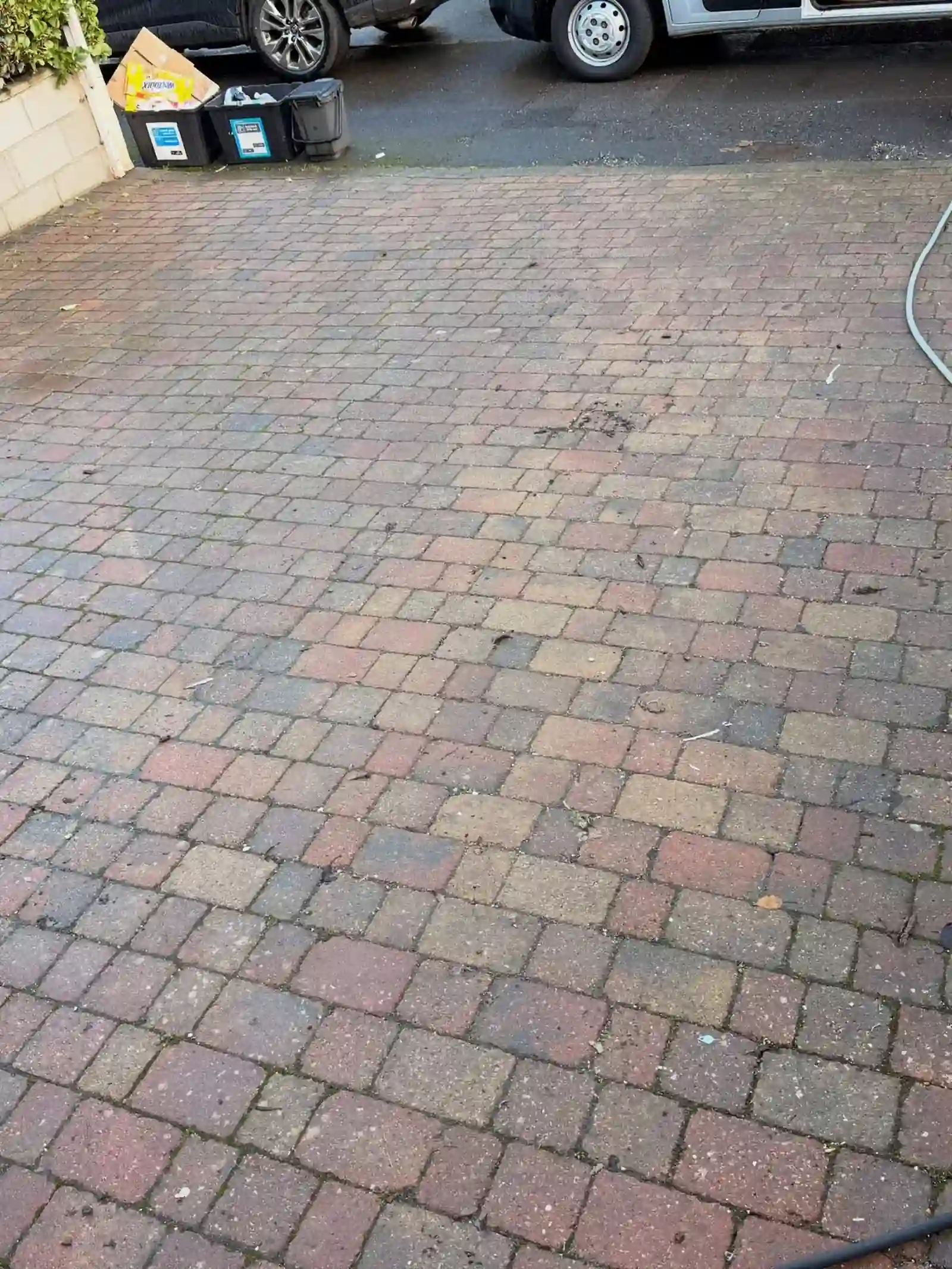
Block paving driveway restored — before
Before
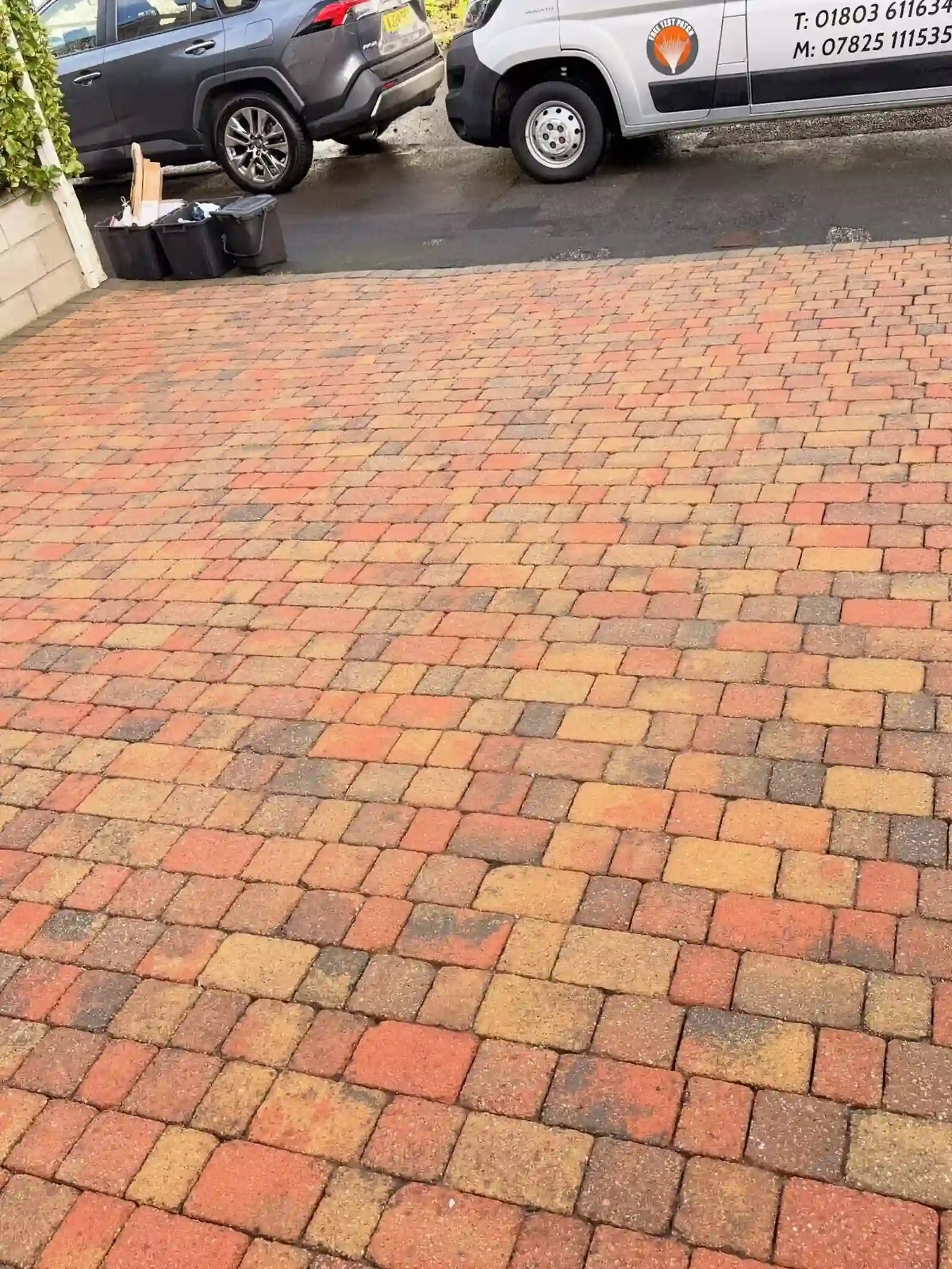
Block paving driveway restored — after
After

Chelston, Torquay

Block paving driveway restored

A dull, grimy block paved drive brought back to its original warm colours in a single visit.

The problem
Years of dirt, algae and tyre marks had turned the multi-tone block paving a flat grey-brown.
What we did
We pre-treated the organic growth, cleaned edge to edge with a rotary surface cleaner, then rinsed and re-sanded the joints.
The result
Bright reds and oranges back on show, stable blocks and a driveway that looks newly laid.
Read the full case study
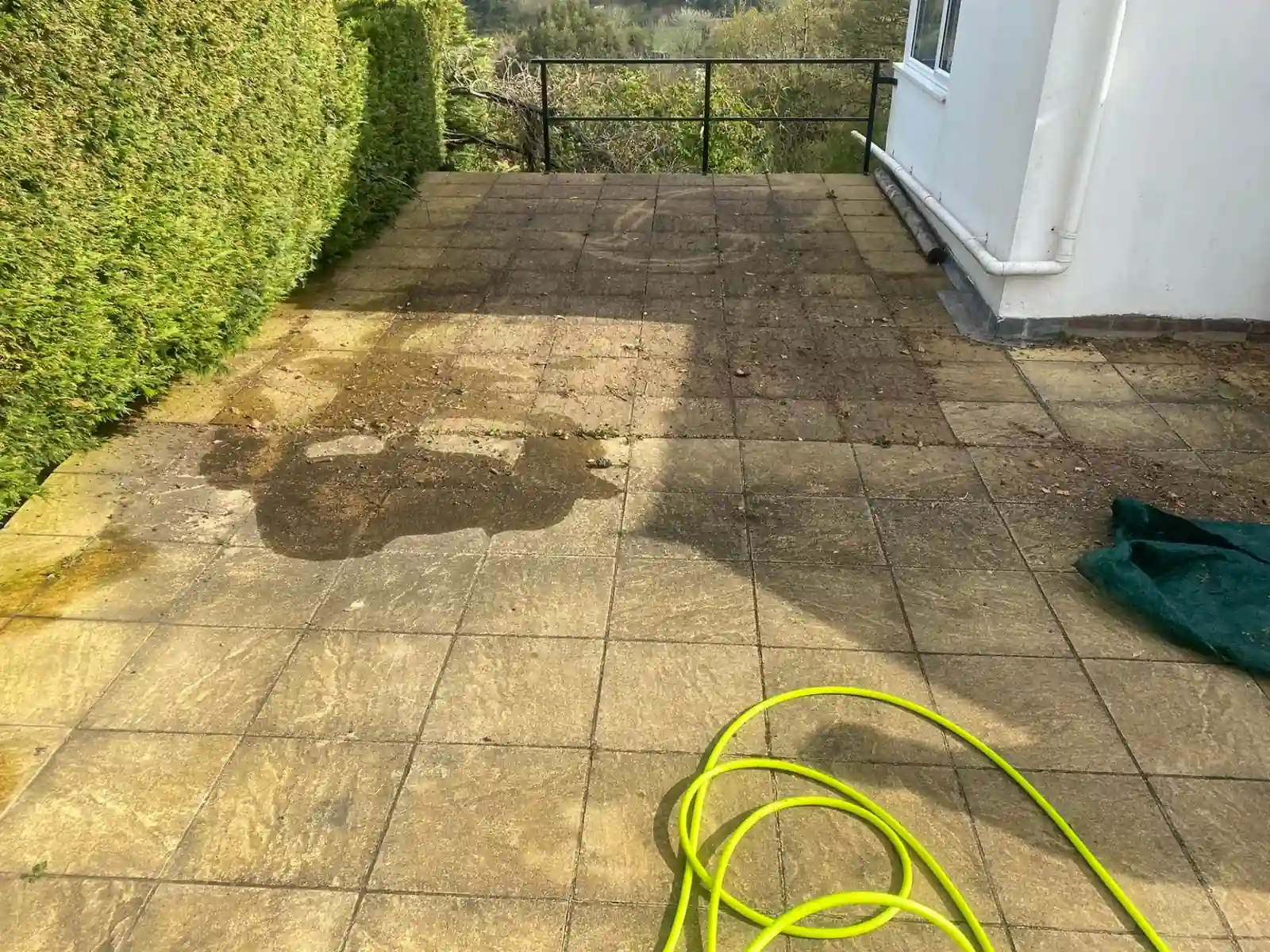
Shaded patio paving cleaned — before
Before
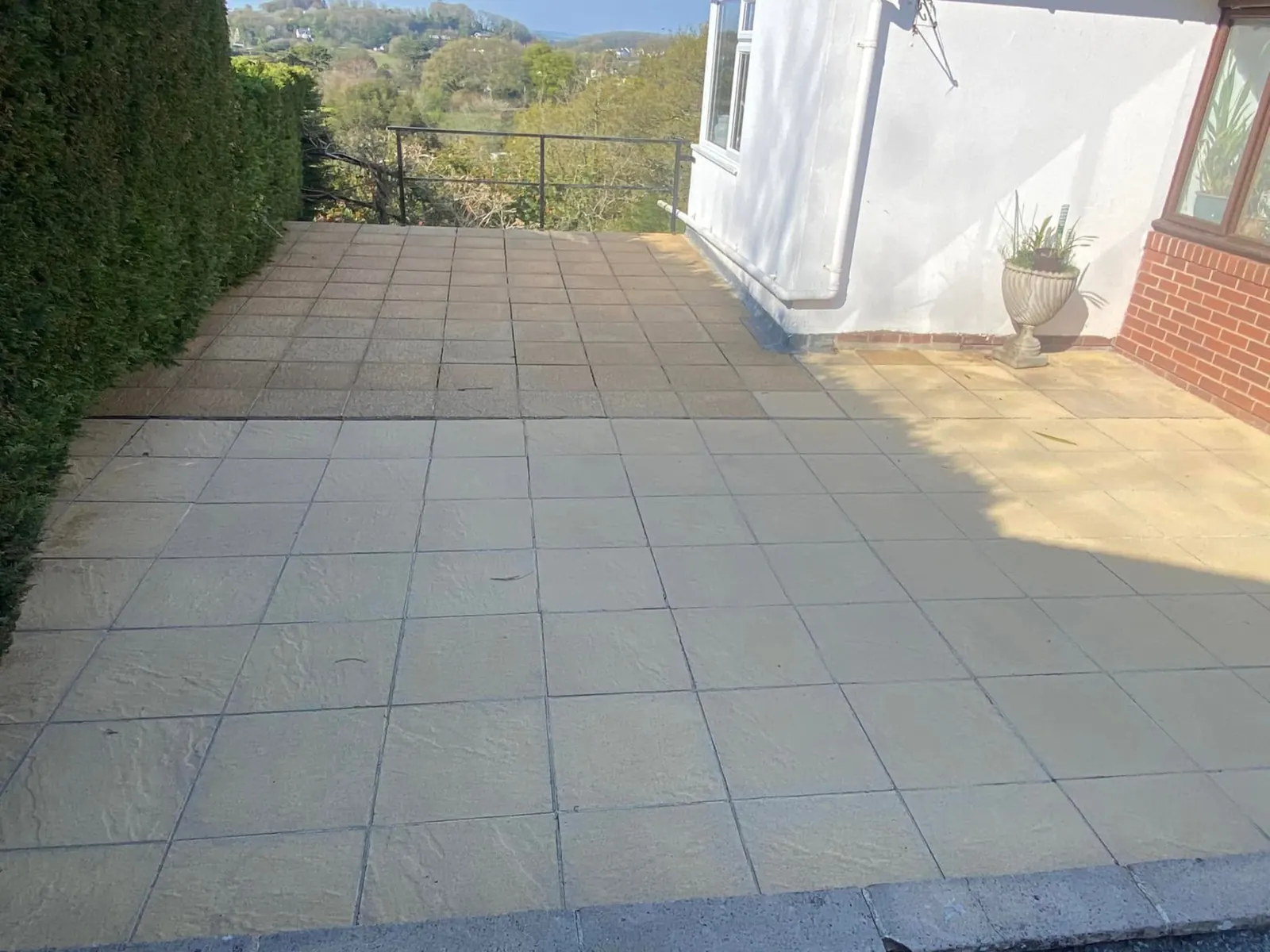
Shaded patio paving cleaned — after
After

SAS Window Cleaning · Our work

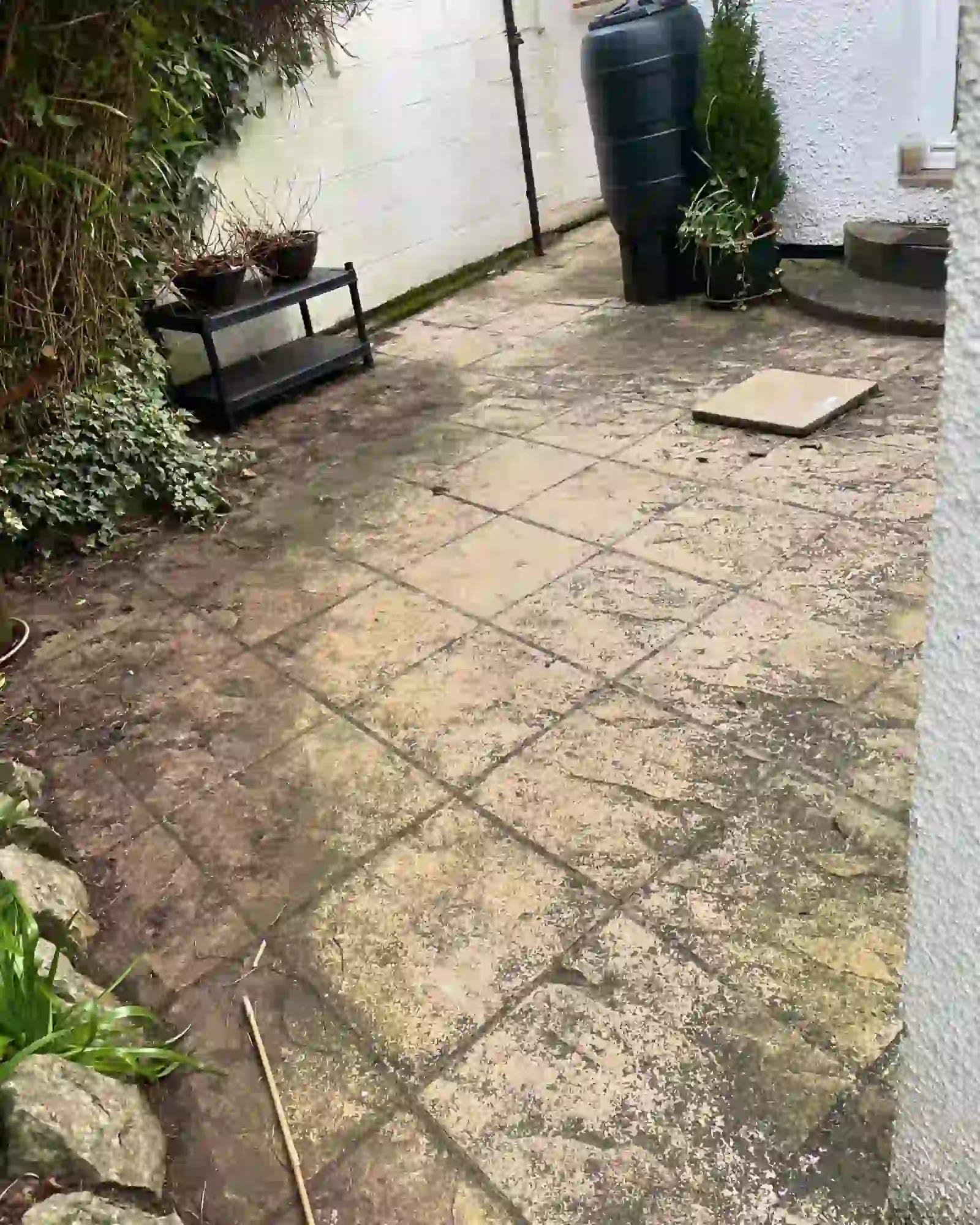
Shaded patio paving cleaned

Dark deposits cleared from a hedge-bordered paved terrace, revealing lighter slabs and a more distinct surface texture.

The problem
Paved slabs beside a hedge and railing had dark, uneven surface growth.
Our usual approach
SAS typically checks slab condition, tests suitable pressure and uses a surface cleaner where access permits, finishing edges separately.
The result
The terrace is brighter across the paving, with individual slab outlines easier to distinguish.
Explore this work
Block paving cleaning in progress — Cleaning in progress
Cleaning in progress

SAS Window Cleaning · Our work

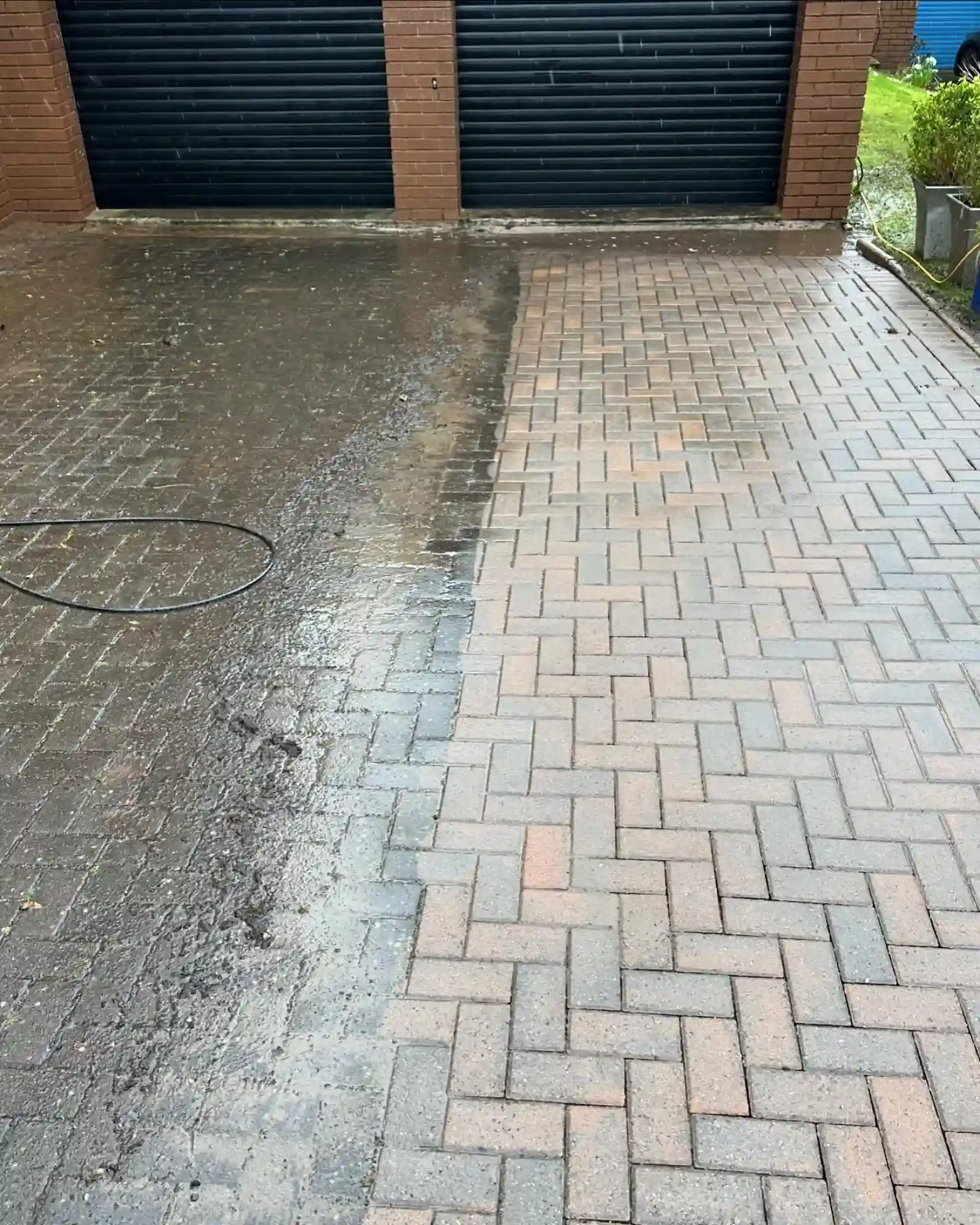
Block paving cleaning in progress

Dark driveway deposits being removed outside two garages, with a lighter cleaned section alongside paving still awaiting washing.

The problem
Surface grime concealed much of the colour on the herringbone-pattern blocks.
Our usual approach
For suitable block paving, SAS normally uses controlled surface cleaning, careful rinsing and separately agreed joint re-sanding when needed.
The result
The cleaned section has clearer block colours; the rest of the driveway remains unfinished.
Explore this work
Courtyard paving refreshed — before
Before
Courtyard paving refreshed — after
After

SAS Window Cleaning · Our work

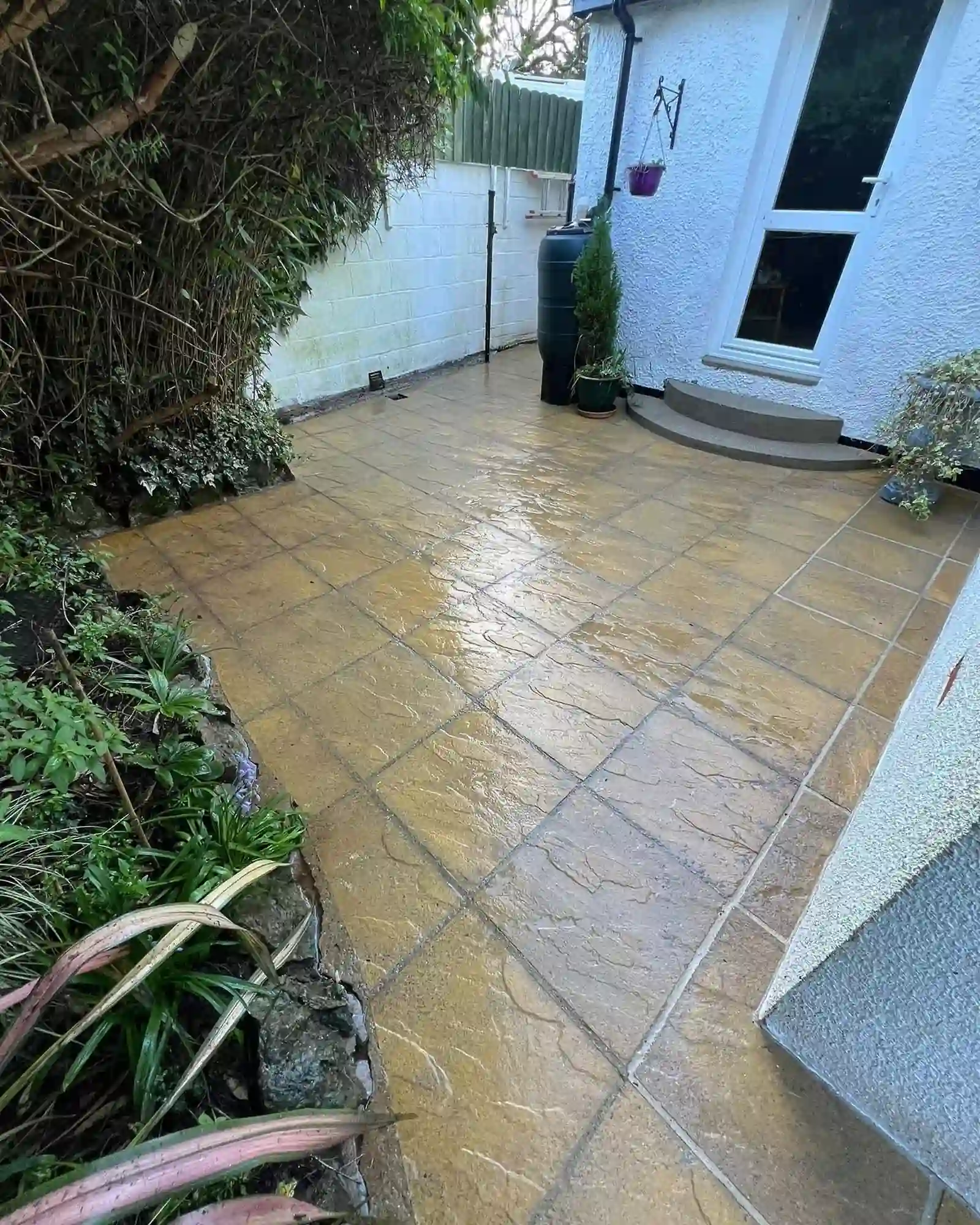
Courtyard paving refreshed

Dark surface deposits cleared from a compact courtyard patio, bringing warmer slab tones and the paving pattern back into view.

The problem
Patchy dark build-up marked slabs around a doorway, planting and a boundary wall.
Our usual approach
Our typical courtyard clean combines surface checks, appropriate treatment and controlled washing around fixed features and drainage.
The result
The paving looks more even and its texture is clearer; the freshly washed surface remains wet.
Explore this work

Google reviews

Patio & Driveway Cleaning reviews from Torquay customers

★★★★★ 80+ five-star reviews

★★★★★

“I had a badly stained patio he treated the whole patio and deep cleaned it with hot water and a patio cleaning machine I was very impressed patio looks like brand new 😎”

Andrew Payne · Google

★★★★★

“A professional, effective, timely, courteous, friendly cleaning service, provided by Simon and his small team.”

Michael Roy Cook · Google

FAQs

Patio & Driveway Cleaning Torquay — your questions answered

Can you clean a patio and driveway in one visit?+

Yes, subject to access, scope and suitable conditions. Each material still needs its own assessment; dry joint finishing or sealing may require a later visit.

Is ordinary sand suitable for permeable blocks?+

Not automatically. Permeable systems need the joint aggregate specified for their drainage design, not conventional kiln-dried sand.

Will washing correct uneven slabs?+

No. Cleaning can reveal movement or failed bedding, but repair is a separate task. Flag rocking slabs and settled blocks before work is agreed.

Other services

Contact us

Get your free quote today

Need a quote or have a question? Call, WhatsApp or send us a message — we're open 24 hours, 7 days a week and always happy to help.

Areas covered

Torquay & surrounding areas

Opening hours

Open 24 hours, 7 days a week

Get a free quote

Fast, friendly, no-obligation pricing.

Prefer to talk? Call 01803 424114.

Accredited, insured & trusted by Torquay

  • SafeContractor approvedSafeContractor approved
  • PASMA trainedPASMA trained
  • Google reviews★★★★★5★ Google reviews
  • Facebook reviews★★★★★5★ Facebook reviews
  • CheckatradeCheckatrade