
Exterior cleaning specialists in TorquayCall 01803 424114
SAS Window Cleaning
Window Cleaning in Torquay — SAS exterior cleaning

Window Cleaning in Torquay

Window Cleaning in Torquay

Regular or one-off window cleaning using pure water-fed poles, reaching up to four storeys safely from the ground.
  • ✦ 30+ years' experience
  • ✦ Fully insured
  • ✦ 80+ 5★ reviews
  • ✦ Free quotes

Get a free quote

Fast, friendly, no-obligation pricing.

Prefer to talk? Call 01803 424114.

Local window cleaning specialists

Professional window cleaning

Salt spray, sea mist and coastal weather leave Torquay windows smeared and dull far quicker than inland homes. Our window cleaning service keeps your glass sparkling, letting in more light and making your property look cared for — whether you're a homeowner in Maidencombe or a guest house on the seafront.

We use pure water-fed pole systems. Water is filtered to remove all minerals, so it lifts dirt and dries to a spotless, streak-free finish with no chemicals. It also lets us safely clean windows up to four storeys high from the ground, with no ladders on your flower beds.

Every clean includes frames, sills and doors as standard. Choose a regular 4 or 8-weekly round and we'll text you before each visit, or book a one-off clean before a special occasion or after building work. Access to each exterior pane is agreed before booking.

Why it matters in Torquay

Why window cleaning matters

Salt film from the sea

Sea breezes carry salt that leaves a cloudy film on glass, especially in Babbacombe, Maidencombe and seafront homes. It needs regular cleaning to keep views clear.

Sea views worth seeing

Many Torquay homes are built for the view across the Bay. Clean glass makes a big difference to how much you get to enjoy it.

Frequent rain spotting

Showers blowing in off the coast leave dirt and water marks. Pure-water cleaning leaves glass spot-free, so it stays cleaner for longer.

Tall, hard-to-reach properties

Torquay has lots of three and four-storey Victorian villas and hillside homes. Water-fed poles reach them safely from the ground.

Our process

How our window cleaning works

01

Book

Choose a one-off clean or a regular round.

02

Clean

Pure water lifts dirt with no chemicals.

03

Detail

Frames and sills wiped down.

04

Repeat

We'll text before every visit.

Local coverage

Window Cleaning across Torquay

We provide window cleaning throughout town. Send your postcode, photographs and any access restrictions for a free quote.

Decide which side of the glass needs attention

Cloudy windows are not always dirty on the outside. Before booking, look at the glass from indoors and check whether marks seem reachable on either face. Fingerprints inside, exterior deposits and misting between sealed panes are different issues. Exterior cleaning can address accessible surface dirt, but it cannot remove moisture trapped inside a failed glazing unit. Explaining what you can see helps establish whether an outside clean is the right job or whether a glazing specialist should be involved.

If the glass is already reasonably clear, another wash may not be necessary just because a mark catches the light. Scratches, etched deposits and damaged coatings will not behave like loose dirt. Tell the cleaner about persistent marks and anything already tried on them. For a home in Maidencombe, useful advice starts with the window's material and condition, not an assumption about what must be on the glass. Internal condensation also needs ventilation or building advice rather than repeated exterior washing. If insect screens or removable accessories cover the glass, agree who will take them down and replace them. The cleaner should not have to guess how an unfamiliar fitting releases. Mention fixed bars or shutters too, since they can restrict brush contact even where the window itself is visible and appears accessible from below.

Understand what pure-water cleaning does

With a water-fed pole, the brush loosens deposits while purified water rinses them away. The glass is normally left wet to dry naturally, rather than wiped dry by hand. That can look unfamiliar if you are used to a traditional squeegee clean. Let the windows dry before judging the finish, and avoid wiping the outside with a cloth that could reintroduce dirt. If a mark remains, note its position so it can be discussed rather than scrubbed experimentally.

Frames and seals affect the clean as well as the glass. Dirt held in frame recesses may need particular attention, while deteriorating paint or sealant should be flagged before brushing starts. Mention timber frames, decorative glazing and any manufacturer guidance for specialist coatings. A routine clean is not an abrasive restoration service. Mineral deposits, adhesive and building residues may need a separate assessment, and some marks are best left alone if removal would risk an existing coating or the surface of the pane.

Check access without assuming every pane is reachable

Ground-based equipment still needs a suitable working position and a clear route for hoses. Recessed windows, extensions, conservatories and awkward angles can affect whether the brush reaches the glass properly. Describe obstacles behind the property as well as the windows facing the road. If an opening is partly hidden by planting or a structure, say so before the visit. An honest access discussion is more helpful than assuming a pole can reach any window visible from the garden.

Point out fragile roofs, rooflights and areas that must not be walked on. A window above a lean-to may need a different plan from another at a similar height. Keep pets away from open gates and tell the cleaner if access must remain secure. In Babbacombe, the route through an individual property's garden or side passage should determine the arrangement. If a pane cannot be cleaned safely with the agreed equipment, it should be excluded or assessed separately rather than improvised around.

Make the window-cleaning scope clear

A useful quote identifies the accessible exterior windows and confirms the treatment of frames, sills and doors. Distinguish normal frame cleaning from removing ingrained discolouration or restoring weathered finishes. Internal glass, mirrors, conservatory roofs, rooflights and glass balustrades should be named if you want them included. They are not automatically part of an exterior window visit. The more precise the description, the easier it is to understand what will be cleaned and what requires a different method or separate arrangement.

If work follows decorating or building activity, explain that at the enquiry stage. Cement splashes, paint, labels and protective film are not ordinary window dirt and may require specialist removal or need to remain untouched. Do not assume a standard brush wash includes scraping. Ask how inaccessible windows or unexpected fragile seals will be handled, and how to raise a concern about the finished clean. These are useful practical details whether you want an occasional visit or an ongoing arrangement.

Prepare the windows and surrounding space

Close windows securely before exterior work and check that vents or damaged seals will not admit water. Let the cleaner know about a window that cannot close properly rather than leaving them to discover it. Move lightweight objects from exterior sills, clear access to gates and put washing away from the working area. If indoor cleaning is separately arranged, clear the relevant interior sills too. Delicate ornaments and electrical items are better moved by you than worked around during a wet cleaning task.

You may not need to be present if access and permissions have been agreed, but make sure instructions are clear. A locked gate or a protective dog can prevent part of the work being completed. Mention any alarm or access arrangement that could be affected, without sharing unnecessary security information. If there is a shared passage, consider neighbours using it while hoses are laid out. Planning those small details helps the visit run smoothly without turning an ordinary clean into a series of avoidable interruptions.

Choose future visits around actual condition

The right cleaning pattern depends on what settles on your windows and how clear you want them kept. A sheltered rear window may look different from glazing facing an open frontage at the same property. Review the condition after a clean rather than assuming every pane needs attention equally often. You can discuss a regular arrangement for convenience, but a separate problem such as damaged putty, peeling paint or a failed unit still needs its own maintenance decision.

Between visits, avoid abrasive pads, scraping tools and unsuitable cleaners on coated glass. Deal gently with accessible interior fingerprints using a method recommended for the glazing. Do not lean out or climb onto a roof to tackle an exterior mark. If you notice drips or haze after the glass has dried, explain where they appear and whether they are inside or outside. That information makes follow-up more productive and helps distinguish a cleaning issue from frame drainage, glass damage or an existing glazing fault.

Signs you need window cleaning

Windows often look dull because salt, pollen, road film or rain-borne dirt builds on the outside, while condensation haze between panes points to a sealed-unit fault rather than surface grime. Check whether marks are on the inner or outer face before arranging work. Salt deposits may be conspicuous near exposed elevations; sheltered sills can collect cobwebs and dust. Paint flecks, silicone, cement and hard-water spotting are different from ordinary dirt and may need specialist removal to avoid scratching glass. Notice leaking frames, loose beading, damaged seals and cracked panes, and flag them before water is applied. Pure-water pole cleaning uses purified water fed through a brush to loosen and rinse exterior dirt, often allowing glass to dry without detergent residue. It is well suited to accessible exterior windows, but access around conservatories, roof lights, extensions and narrow side passages must be considered individually.

Our process step by step

  1. 1.

    Map the windows

    Agree which elevations and panes are included. Identify roof lights, conservatory glass, extensions, fragile fittings, damaged seals and windows that are difficult to reach. Check water supply and pole reach.

  2. 2.

    Prepare access

    Unlock gates if agreed, move items below accessible windows and close them firmly. Mention alarms, open vents, delicate planting and restricted parking. Avoid trapping water in vents.

  3. 3.

    Brush with pure water

    Feed purified water through a pole-mounted brush to loosen exterior film and rinse away dirt. Adjust technique around frames, vents and sensitive details. Use clean brush fibres on glass.

  4. 4.

    Address stubborn deposits

    Pause at paint, silicone, cement or mineral marks rather than scrubbing blindly. Assess whether a glass-safe specialist method is appropriate and agree any additional work. Do not scrape without authorisation.

  5. 5.

    Check the finish

    Review panes, frames and sills included in the scope. Note any persistent internal haze or defects that cleaning cannot correct, such as failed glazing seals. Check sills for loose fittings.

Aftercare and how long results last

Allow rinsed panes to dry naturally and avoid touching the glass while it is drying, as fingerprints can undo the finish. Keep windows fully closed during pole cleaning; report any frame that admits water before the next visit. Salt and traffic film build faster on exposed elevations, while tree pollen and cobwebs can return around sheltered frames, so judge repeat cleaning by what you see rather than assuming every side needs attention equally. Wipe up drips from sensitive sill finishes if needed and keep weep holes clear rather than blocking them with polish. Do not scrape paint or mortar from glass with an unapproved blade; scratches may be permanent. If haze remains between double-glazed panes, the fault is within the sealed unit and exterior cleaning will not clear it. Mention any repaired frames or new coatings before future cleaning so the brush and water approach can be adapted.

Window Cleaning FAQs

How does pure-water pole cleaning work?

Purified water is pumped through a pole brush. The brush loosens exterior dirt and the water rinses it away; because it contains very few minerals, it can dry without the detergent film associated with some traditional methods. It is a practical option for many reachable outside windows, not a cure for damaged glass.

Will it clean inside the windows too?

Pole cleaning described here is for exterior glass. Interior panes, conservatory interiors, screens and detailed frame work should be listed separately when arranging the job. If the mark is on the inside, exterior rinsing will not remove it; identify which face is dirty so the right service can be planned.

Can you reach roof windows and extensions?

Reach depends on position, roof shape, access and nearby obstacles. A pole may reach some upper panes from the ground, but conservatory roofs or awkward extensions can require a different safe plan or may be excluded. Share photographs or point out difficult windows when agreeing the scope.

What about paint or hard-water marks?

Pure water and a brush remove general dirt, but bonded paint, cement, silicone and mineral deposits can require a separate glass-safe method. Abrasive tools may scratch the pane. Identify the mark and its likely source before work; the cleaner can then assess whether targeted removal is suitable.

Why is there still a cloudy patch after cleaning?

If the haze remains between the panes, a failed double-glazed unit is a likely cause and surface cleaning cannot reach it. A mark on the exterior may instead be mineral deposit or damaged glass. Note which side it is on and ask for an assessment before assuming another routine clean will help.

Where we offer window cleaning

  • Paignton
  • Brixham
  • Newton Abbot
  • Kingsteignton
  • Kingskerswell
  • Teignmouth
  • Dawlish
  • Bovey Tracey
  • Ashburton
  • Buckfastleigh
  • Totnes
  • Dartington
  • Dartmouth
  • South Brent

Our work

Window Cleaning work examples

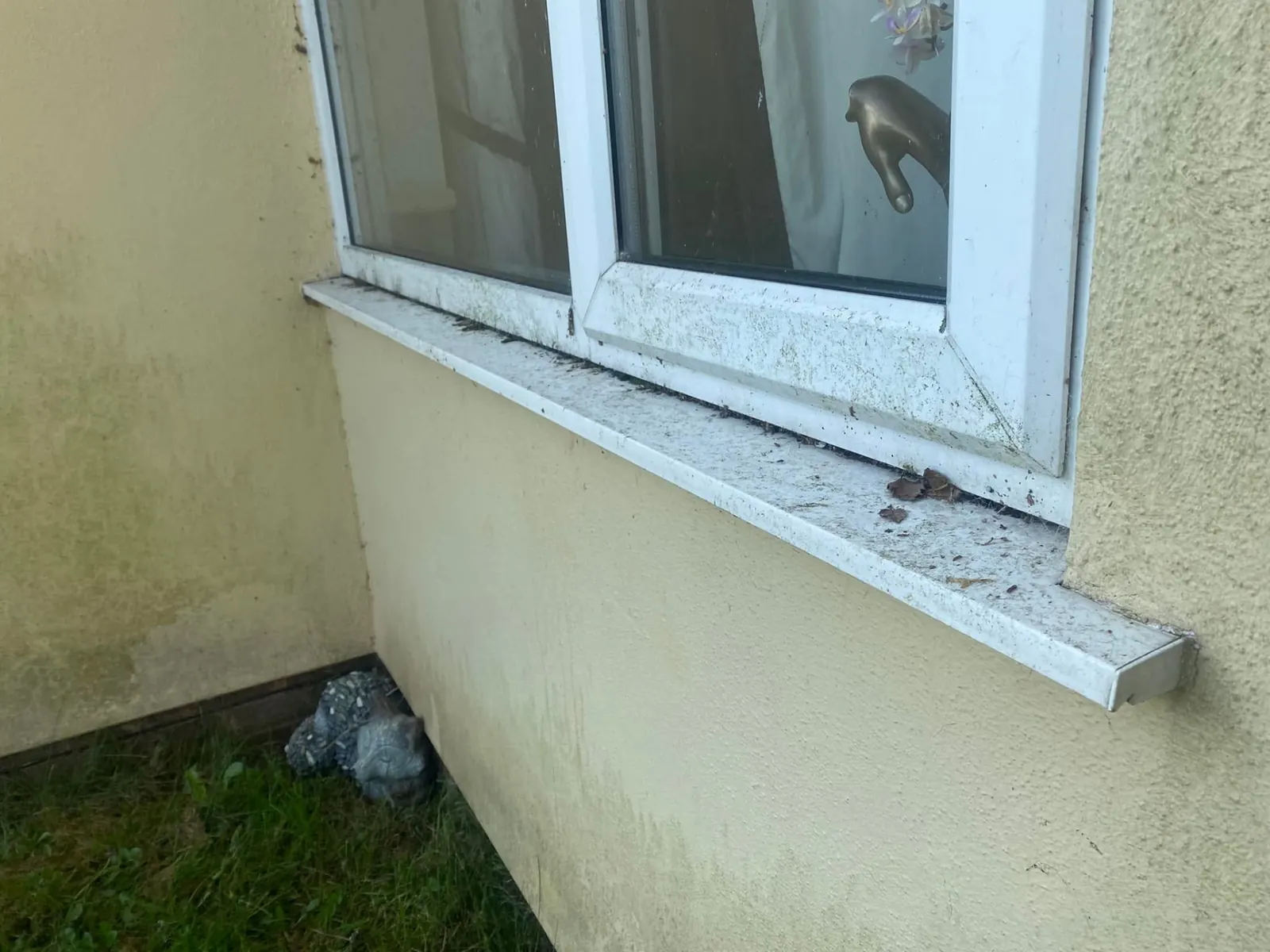
Window frame and sill cleaned — before
Before
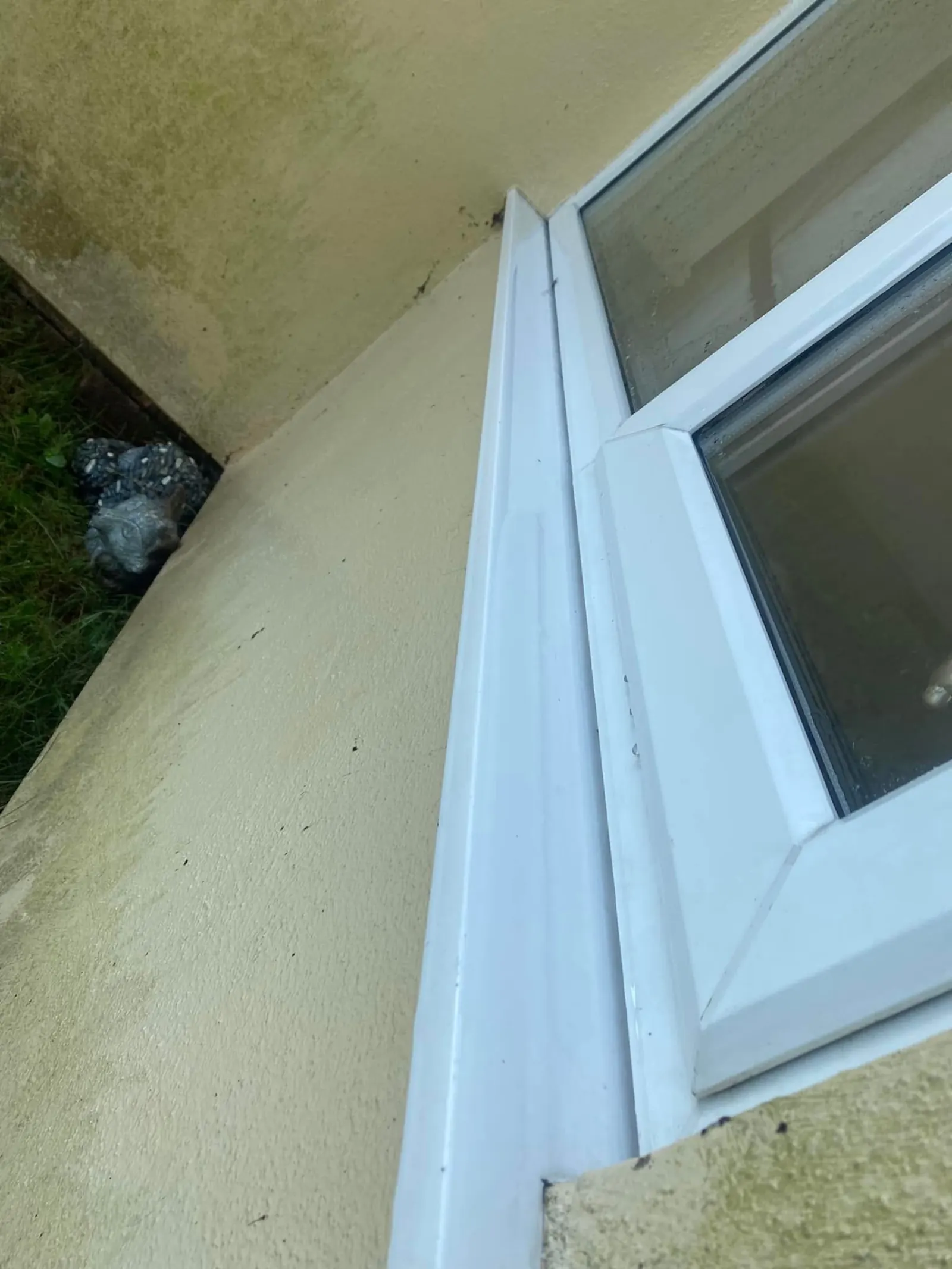
Window frame and sill cleaned — after
After

SAS Window Cleaning · Our work

Window frame and sill cleaned

Green deposits, dark speckling and loose debris cleared from a white window frame and projecting sill.

The problem
Dirt and organic deposits collected along the lower frame and on the sill.
Our usual approach
SAS usually washes accessible exterior glass, frames and sills with suitable brushes and careful rinsing, checking seals and access first.
The result
The white sill and lower frame are substantially cleaner, with loose debris removed.

Explore this work

Google reviews

Window Cleaning reviews from Torquay customers

★★★★★ 80+ five-star reviews

★★★★★

“I had a badly stained patio he treated the whole patio and deep cleaned it with hot water and a patio cleaning machine I was very impressed patio looks like brand new 😎”

Andrew Payne · Google

★★★★★

“A professional, effective, timely, courteous, friendly cleaning service, provided by Simon and his small team.”

Michael Roy Cook · Google

FAQs

Window Cleaning Torquay — your questions answered

How often should windows be cleaned in Torquay?+

Most homes choose every 4 or 8 weeks. Coastal properties often benefit from a 4-weekly round because of salt spray.

Do I need to be home?+

No. As long as we can access the windows and side gates, we can clean while you're out.

Do you clean frames and sills?+

Yes, frames, sills and doors are included with every clean.

Will exterior washing clear mist between panes?+

No. Moisture inside a sealed unit needs a glazing assessment; washing only reaches the outer surface.

Other services

Contact us

Get your free quote today

Need a quote or have a question? Call, WhatsApp or send us a message — we're open 24 hours, 7 days a week and always happy to help.

Areas covered

Torquay & surrounding areas

Opening hours

Open 24 hours, 7 days a week

Get a free quote

Fast, friendly, no-obligation pricing.

Prefer to talk? Call 01803 424114.

Accredited, insured & trusted by Torquay

  • SafeContractor approvedSafeContractor approved
  • PASMA trainedPASMA trained
  • Google reviews★★★★★5★ Google reviews
  • Facebook reviews★★★★★5★ Facebook reviews
  • CheckatradeCheckatrade