Exterior cleaning specialists in TorquayCall 01803 424114
SAS Window Cleaning
Roof Cleaning in Torquay — SAS exterior cleaning

Roof Cleaning in Torquay

Roof Cleaning in Torquay

Careful roof moss removal and soft wash treatment that protects tiles and stops regrowth — never a high-pressure blast.
  • ✦ 30+ years' experience
  • ✦ Fully insured
  • ✦ 80+ 5★ reviews
  • ✦ Free quotes

Get a free quote

Fast, friendly, no-obligation pricing.

Prefer to talk? Call 01803 424114.

Local roof cleaning specialists

Professional roof cleaning

Moss and lichen thrive on Torquay roofs, especially on properties near trees or facing the sea. As well as looking untidy, moss holds moisture against tiles, lifts them in frost, and washes into gutters causing blockages. Professional roof cleaning removes the growth and protects your roof for years to come.

We never use high pressure on roof tiles — it can strip the surface, crack tiles and force water underneath. Instead, moss is removed carefully by hand with scrapers and brushes, and the roof is then treated with a low-pressure soft wash biocide that kills spores at the root and keeps working long after we leave.

As we work we check for slipped or broken tiles and let you know about anything that needs attention. Gutters are cleared of all the moss and debris at the end, so the job is finished properly. Our team is PASMA trained and fully insured for working at height.

Why it matters in Torquay

Why roof cleaning matters

Moss loves the Devon climate

High rainfall and mild temperatures make Torquay roofs ideal for moss and lichen. Left alone, it holds water against tiles and can crack them in a cold snap.

Blocked gutters and leaks

Moss washes off roofs into gutters and downpipes, causing overflows, damp walls and leaks. This is common on Torquay's older properties.

Coastal winds

Strong winds off the sea can lift loose moss and debris, along with damaged tiles. A clean, treated roof is in better shape to cope.

Protecting older homes

Many homes in Cockington, Chelston and central Torquay have older tiles and slate. A careful soft wash cleans them without damage.

Our process

How our roof cleaning works

01

Inspect

Roof checked for damage before work starts.

02

Remove

Moss scraped and brushed off by hand.

03

Treat

Low-pressure biocide kills spores.

04

Clear up

Gutters emptied and debris removed.

Local coverage

Roof Cleaning across Torquay

We provide roof cleaning throughout town. Send your postcode, photographs and any access restrictions for a free quote.

Decide whether moss removal is appropriate

A roof does not need cleaning simply because its colour is uneven. From the ground, note whether loose moss is regularly appearing below the eaves or collecting near gutter outlets. Removing suitable growth can help reduce that loose debris and make the roof surface easier to assess. It is not a roofing repair, a leak investigation or a reason to expect a uniform colour. Describe what concerns you, rather than treating every visible patch as a problem that must be removed.

If there are slipped tiles, active leaks, sagging areas or loose ridge material, seek roofing advice before arranging cleaning. Fragile coverings may be unsuitable for the proposed work even when moss is present. A roof in Chelston should be assessed on its own condition and access, not on how a nearby roof was treated. Where the covering is sound and growth is slight, leaving it alone may be a reasonable choice. Cleaning should have a clear purpose beyond changing the appearance from the road. Solar panels and their cabling should also be identified during planning. Roof cleaning is not automatically panel cleaning, and working near the installation may require additional precautions or advice. Make sure the boundary between these tasks is clear so that neither the panels nor the surrounding covering is treated on the basis of an assumption.

Identify the covering and its limitations

Concrete tiles, clay tiles and slate have different profiles and surface characteristics. Repairs, coatings and replacement sections can further complicate a roof that appears consistent from below. Share any information you have about the covering and previous work. If a material could contain asbestos, ordinary scraping or brushing should not proceed without appropriate identification and specialist advice. Uncertainty over the material is a reason to investigate, not a detail to work around once equipment has arrived at the property.

The condition of the surface matters more than choosing a method by material name alone. Flaking faces, weak edges and loosely fixed sections can rule out work that might suit a sound roof. Hand tools still contact the covering, so careful removal is not automatically suitable everywhere. Ask which areas can reasonably be cleaned and which should be left untouched. A cleaner should be able to explain the limits of the proposed method without suggesting that treatment can compensate for defective tiles or inadequate fixings.

Understand removal and treatment as separate stages

Physical moss removal and application of a suitable treatment do different jobs. Scraping or brushing removes bulk growth where the covering can tolerate it; a treatment is selected and applied according to its intended use. Neither stage should be approached as an invitation to blast the roof. Ask how the method will be adapted around ridges, valleys and vulnerable details. Those transitions deserve attention because they can include materials and joints that behave differently from the main roof covering.

The visible outcome may develop differently across the roof. Bulk moss can be removed while staining remains, and a treatment does not repaint faded tiles. Shaded sections, previous repairs and variations in the covering can remain noticeable afterwards. Discuss how the result will be judged and what follow-up advice is appropriate for the selected product. Trying to achieve an instant uniform colour can encourage unnecessary intervention, particularly where the underlying finish is already weathered or where deposits are firmly attached to a fragile surface.

Plan access and protect the surroundings

Roof work needs an access plan suited to the building rather than a casual assumption that somebody will walk across the tiles. Extensions, conservatories, overhead services and the ground available for equipment all affect that plan. Tell the cleaner about shared access and neighbouring property close to the eaves. You should not climb up to inspect the roof yourself. Information gathered safely from the ground, together with professional assessment where needed, is a better starting point for deciding how work can be undertaken.

Discuss where loosened moss and treatment runoff will go. Gutters, downpipes, rainwater storage, planting and ponds should all be considered before work starts. Move garden furniture and keep people and pets outside the working area as instructed. Close roof windows and ordinary windows that may be affected. If access requires a gate to remain open or a driveway to stay clear, arrange that beforehand. The practical details at a property in Watcombe matter more than general assumptions about how roof cleaning is usually organised.

Ask for a roof-specific written scope

The quotation should identify the roof sections included, the removal method, any treatment and the access arrangements. Main slopes, small extensions and outbuildings should not be grouped together without checking their coverings and condition. Confirm what gutter clearance and ground-level debris collection form part of the roof job. Downpipe work, roof repairs and cleaning adjoining structures should be distinguished clearly. You need to know where the proposed work ends, particularly if moss is also collecting on surfaces below the roof.

Ask what will happen if damaged tiles or another defect becomes apparent during the work. Cleaning should pause where necessary, with repair needs referred appropriately rather than concealed under a treatment. An external visual assessment does not amount to a structural survey or confirmation that the roof is watertight. If specialist access equipment or additional permissions are required, have those arrangements recorded. It is better to settle these boundaries before booking than to assume every issue discovered at roof level falls within a cleaning service.

Review the roof without unnecessary repeat work

Afterwards, follow the advice on treatment runoff and any rainwater collection system before putting it back into normal use. Keep away from access equipment until it has been removed and the working area is handed back. Any remaining staining should be considered against the agreed expectations, not treated immediately with another product. Avoid asking for additional scraping merely to match the colour of a different slope. Natural variation and wear remain part of the covering after deposited growth has been addressed.

For ongoing care, observe the roof from a safe position and watch for fresh debris at gutter level. Recurring blockages, slipped coverings or signs of water entry need appropriate investigation rather than an automatic repeat clean. Maintenance decisions should follow what is actually happening on the property. A little visible growth does not by itself establish that further work is needed. Keep the details of the treatment and any areas excluded from cleaning so future advice can take account of what was done and why.

Signs you need roof cleaning

Moss growth, lichen and dark streaks can make a roof look neglected, but they do not all indicate the same problem. Thick moss may hold moisture and shed clumps into gutters; small lichen patches can remain attached even when loose growth is gone. Look from the ground for slipped or cracked tiles, damaged ridge pointing, sagging lines, blocked valleys and water staining indoors. These signs call for a roofer’s assessment, not a stronger wash. Slate, clay, concrete and coated tiles each have different surfaces and vulnerabilities. High-pressure washing can erode a finish, force water beneath coverings and dislodge mortar. A suitable low-pressure soft wash may be appropriate for a sound roof, with treatment selected for the covering. Heavy moss removal and biological treatment are separate stages, and some treatment effects develop gradually.

Our process step by step

  1. 1.

    Assess from a safe position

    Identify covering type, visible growth, defects, roof pitch and nearby hazards. Point out leaks, previous repairs and any interior damp marks. Keep loose moss from valleys.

  2. 2.

    Agree access and protection

    Set out a site-specific access plan without assuming the roof can be walked on. Protect planting, skylights, paths and water collection where relevant. Avoid disturbing fragile ridge mortar.

  3. 3.

    Remove loose moss carefully

    Where included and suitable, lift heavy loose growth using an approach that avoids damaging tiles, ridges and valleys. Control debris at gutters and ground level. Use only roof-compatible treatment.

  4. 4.

    Apply low-pressure treatment

    Use a compatible soft-wash treatment at low pressure when the covering and condition allow. Avoid forceful jetting that can disturb the roof or drive water beneath it. Protect rainwater collection equipment.

  5. 5.

    Inspect and explain

    Review accessible areas and clear loose debris from the agreed work zone. Explain remaining marks, any treatment that continues working and defects needing a roofer. Do not walk on vulnerable tiles.

Aftercare and how long results last

Keep an eye on gutters and ground below after work, as loosened moss can wash down with later rain. If gutter clearance was included, follow any advice about checking flow after rainfall; roof cleaning does not necessarily remove debris farther down a downpipe. Avoid walking on tiles or attempting to scrub growth from a ladder yourself. Check for new leaks or displaced debris from the ground and arrange a roofer’s inspection if you notice a change. Some biological treatment acts over time, so do not judge it solely by the appearance immediately after application or apply another product without checking compatibility. Nearby branches that keep the roof damp may encourage growth to return; pruning decisions should take account of the tree and property. A clean cannot remedy cracked tiles, failed flashing or ridge defects.

Roof Cleaning FAQs

Do you pressure wash roofs?

Forceful high-pressure washing can damage tile surfaces, disturb pointing and push water beneath coverings. For a suitable sound roof, a low-pressure soft wash with compatible treatment may be more appropriate. The covering and condition determine the method, and some roofs should not be cleaned until a roofer has checked defects.

Will the moss disappear on the day?

Heavy loose moss may be removed where safe and included, but treatment of remaining biological growth can work gradually. Lichen may stay attached, and staining can persist. Ask whether the proposal covers physical removal, treatment or both, and what change is reasonably expected for the particular covering.

Can you clean a roof with loose tiles?

Loose, cracked or slipped tiles need a roofing assessment before cleaning. The cleaning process is not a repair and access could worsen an existing defect. Point out any leaks, damaged ridges or past repairs when arranging an inspection so the condition can be considered before a method is chosen.

Are gutters cleared as part of roof cleaning?

Yes, gutter clearance forms part of the roof-cleaning service so loosened moss is not left in the channels. Roof treatment and debris clearance still need their own checks. Tell us about existing overflow or downpipe problems, as an obstruction farther along the drainage route may need separate investigation.

How do you protect plants and water butts?

Discuss nearby beds, ponds, rainwater collection and drainage before treatment. The plan should account for the selected product and where rinse water or moss will travel. Covering or temporarily disconnecting collection equipment may be appropriate in some situations; follow the specific preparation and aftercare advice given for the job.

Where we offer roof cleaning

  • Paignton
  • Brixham
  • Newton Abbot
  • Kingsteignton
  • Kingskerswell
  • Teignmouth
  • Dawlish
  • Bovey Tracey
  • Ashburton
  • Buckfastleigh
  • Totnes
  • Dartington
  • Dartmouth
  • South Brent

Case studies & our work

Roof Cleaning case studies & work

View the lichen-covered roof tiles in Babbacombe and the moss-covered roof in Watcombe, both in Torquay.

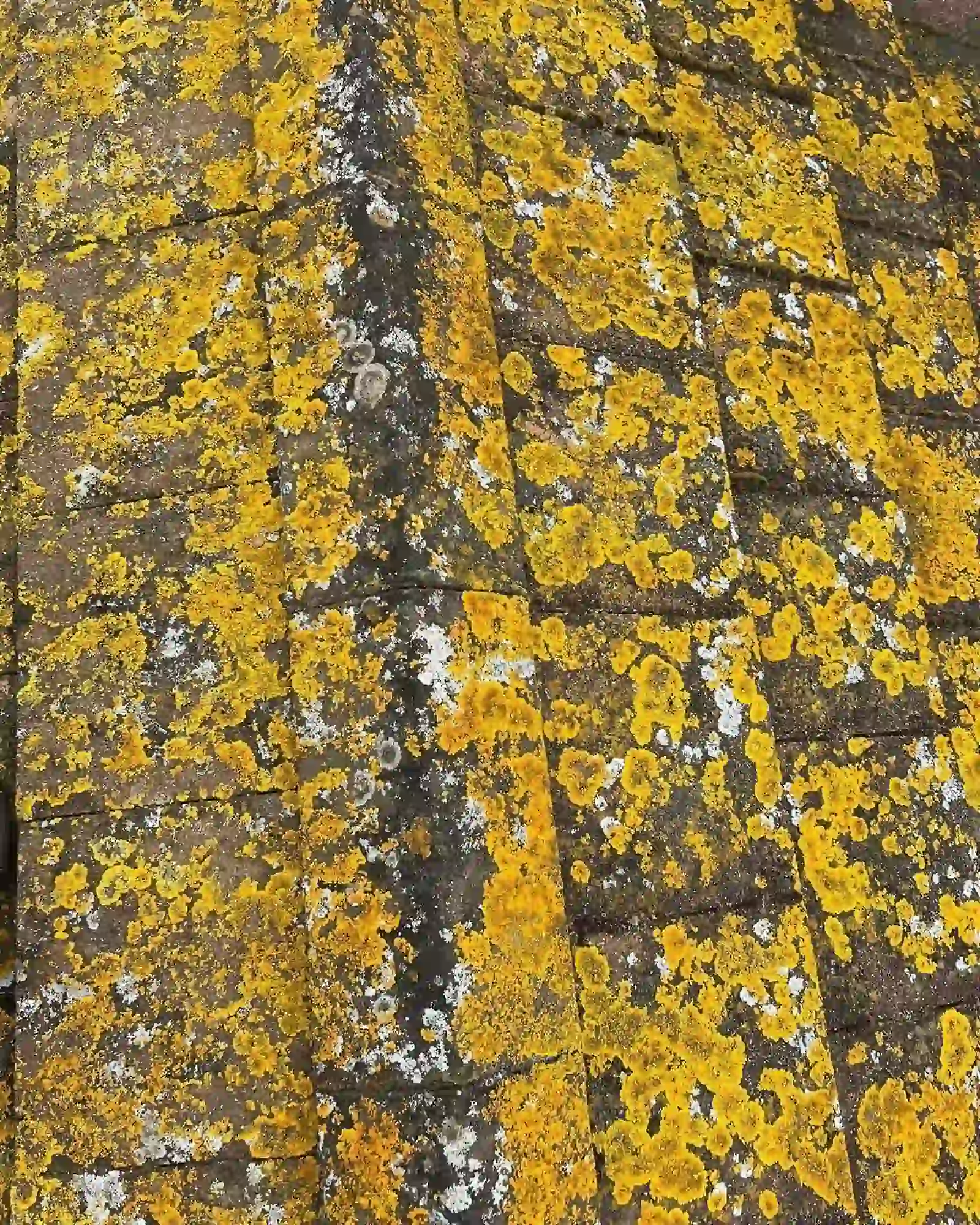
Heavy lichen removed from roof tiles — before
Before
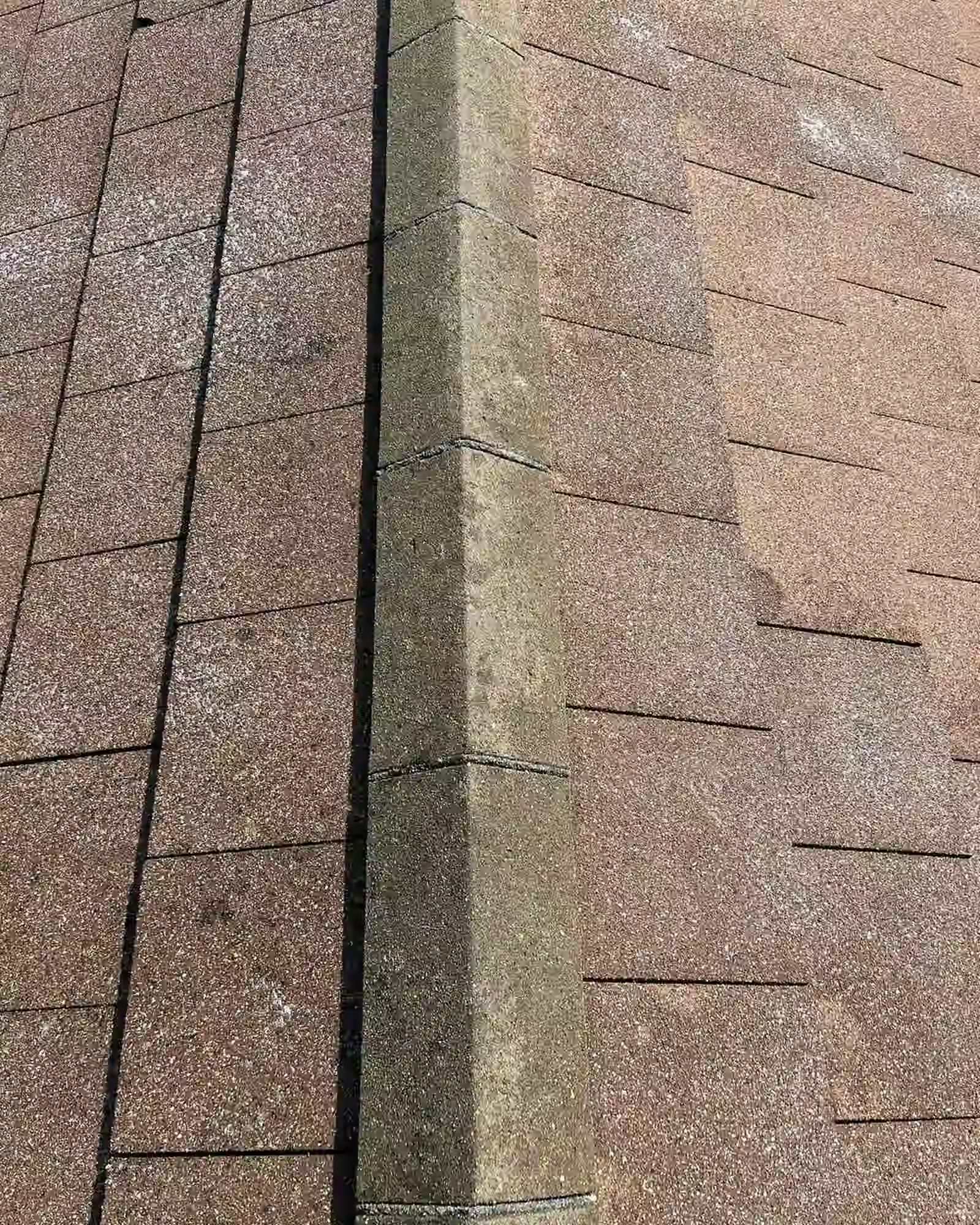
Heavy lichen removed from roof tiles — after
After

Babbacombe, Torquay

Heavy lichen removed from roof tiles

Thick yellow lichen cleared from tiles and ridge, then treated to stop regrowth.

The problem
Coastal air had left the roof and ridge tiles almost entirely covered in yellow lichen.
What we did
Lichen carefully removed by hand and soft washed with a biocide treatment — no high-pressure blasting on the tiles.
The result
Clean, even tiles and a ridge line that looks years younger, with long-lasting protection.
Read the full case study
Moss-covered roof cleaned — before
Before
Moss-covered roof cleaned — after
After

Watcombe, Torquay

Moss-covered roof cleaned

A roof buried under moss stripped back to clean slate, with gutters cleared afterwards.

The problem
Trees overhanging the property had let thick moss take hold across the whole roof slope.
What we did
Moss scraped and brushed off by hand, a soft wash treatment applied, and gutters emptied at the end.
The result
A clean, moss-free roof, free-flowing gutters and treatment to keep regrowth at bay.
Read the full case study
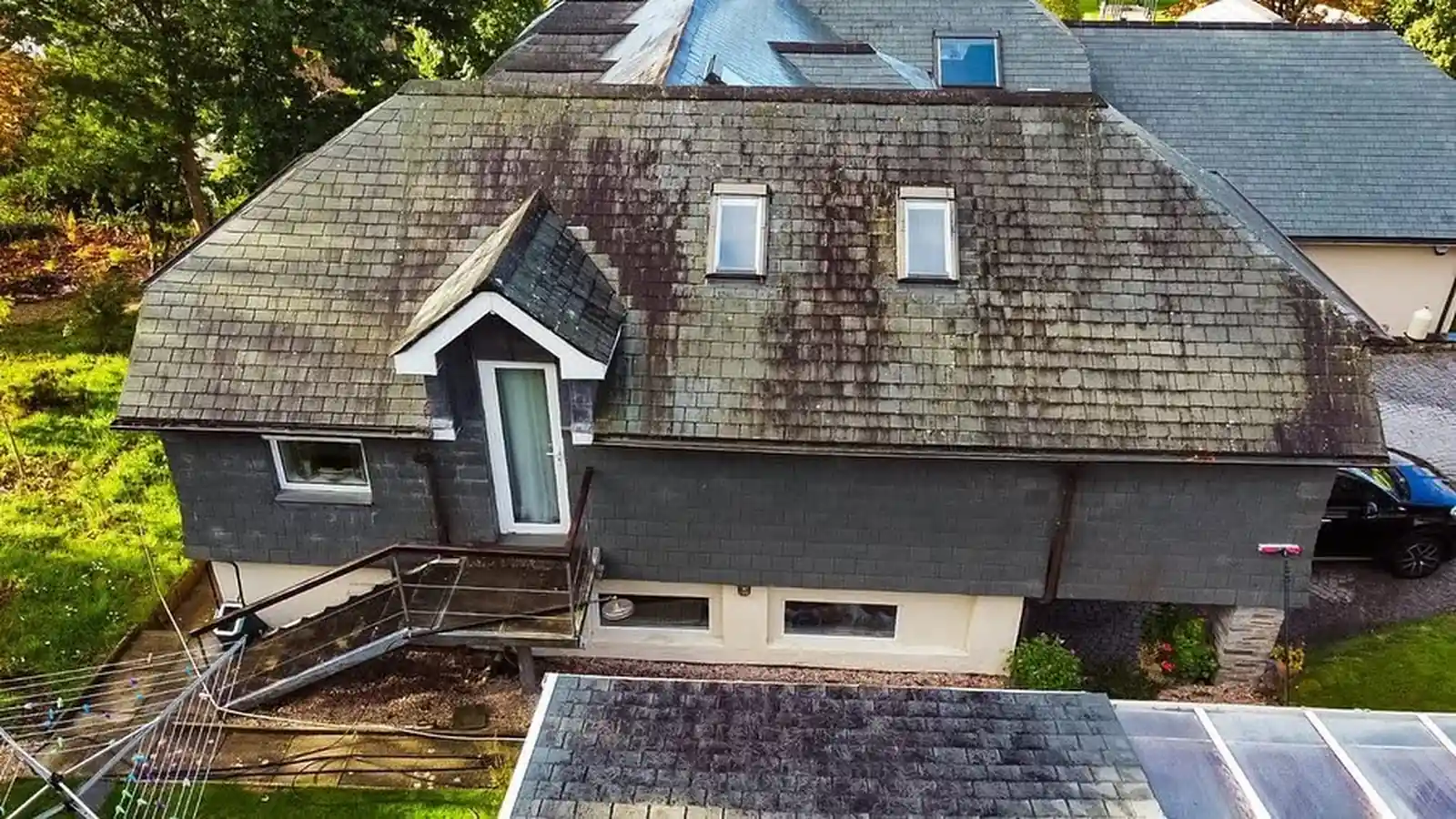
Roof surface growth cleared — before
Before
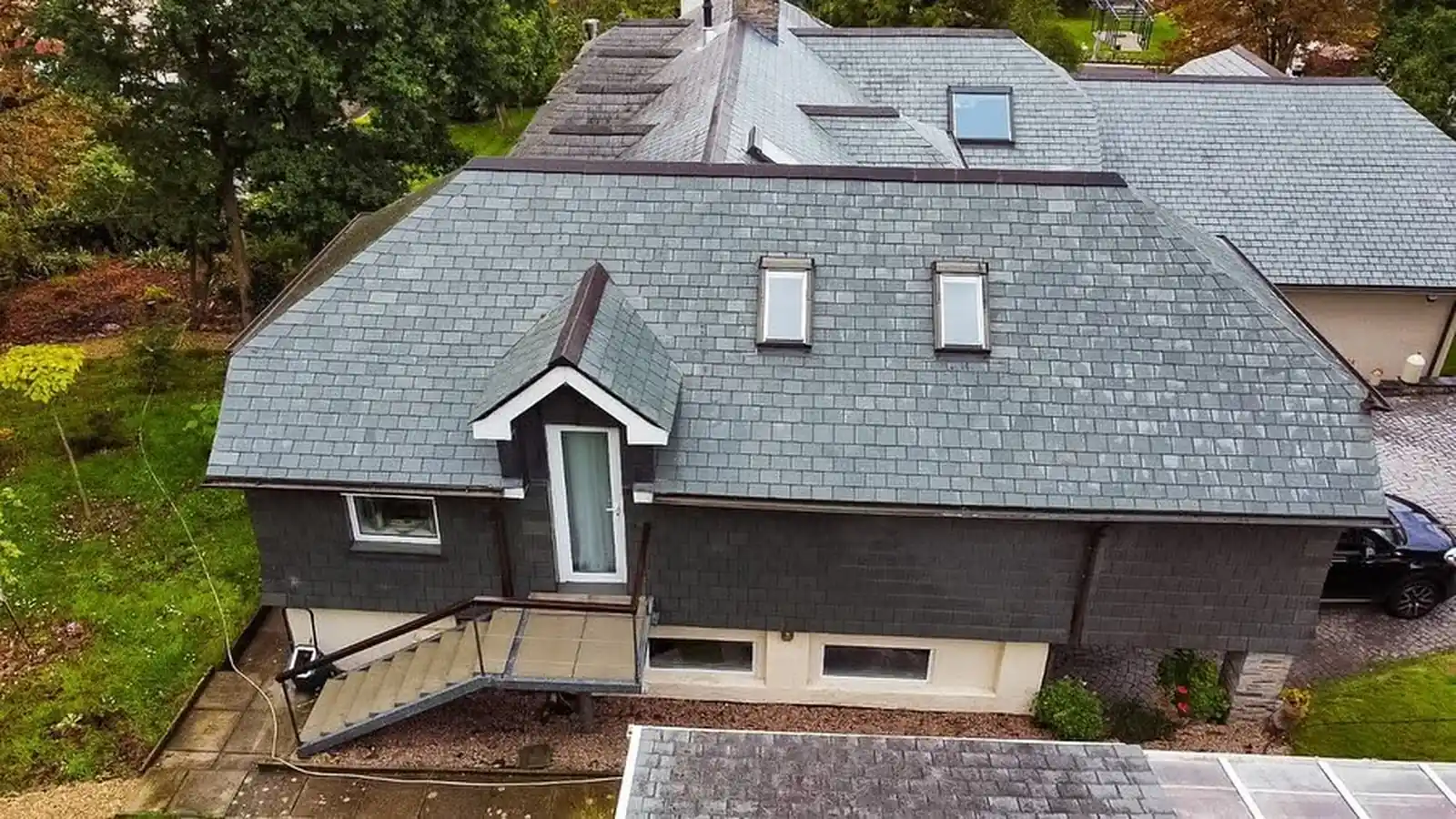
Roof surface growth cleared — after
After

SAS Window Cleaning · Our work

Roof surface growth cleared

Dark streaking and green growth reduced across a broad roof slope, leaving clearer grey tones around the dormer and roof windows.

The problem
Extensive staining and green growth interrupted the appearance of the main roof covering.
Our usual approach
SAS typically assesses roof condition and access before careful moss removal and an appropriate low-pressure treatment where suitable.
The result
The roof courses and grey covering appear more uniform, including around the roof windows.
Explore this work
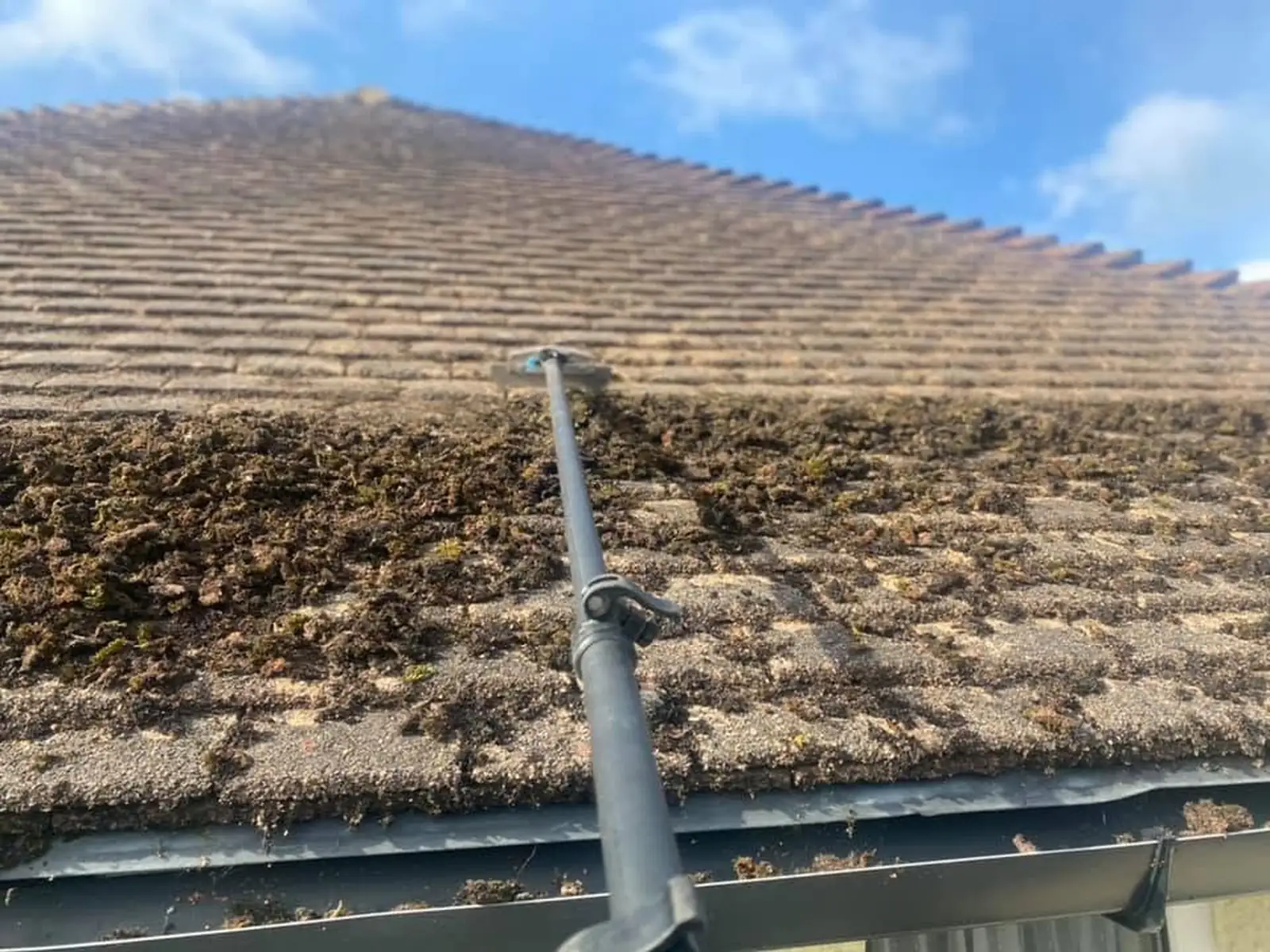
Roof moss removal underway — Moss removal in progress
Moss removal in progress

SAS Window Cleaning · Our work

Roof moss removal underway

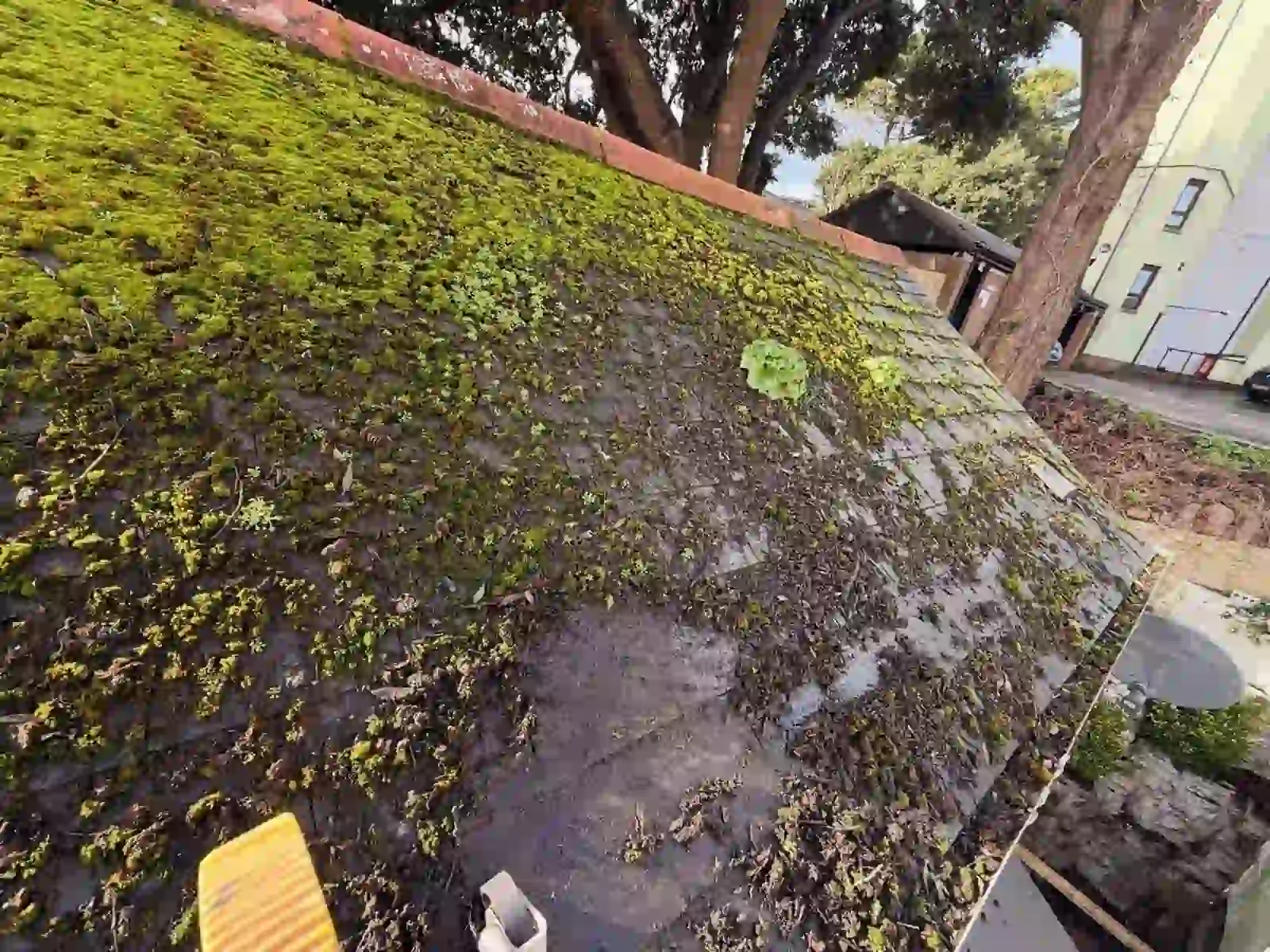
Heavy moss on the lower tile courses being addressed with a pole-mounted tool during roof work.

The problem
Thick moss accumulated between tiles near the gutter edge.
Our usual approach
Our usual moss-removal approach considers tile condition, careful mechanical removal and a suitable low-pressure follow-on treatment where agreed.
The result
Work is underway on the moss-covered slope; a finished-roof result is not included.
Explore this work

Google reviews

Roof Cleaning reviews from Torquay customers

★★★★★ 80+ five-star reviews

★★★★★

“I had a badly stained patio he treated the whole patio and deep cleaned it with hot water and a patio cleaning machine I was very impressed patio looks like brand new 😎”

Andrew Payne · Google

★★★★★

“A professional, effective, timely, courteous, friendly cleaning service, provided by Simon and his small team.”

Michael Roy Cook · Google

FAQs

Roof Cleaning Torquay — your questions answered

Is roof cleaning safe for my tiles?+

Yes. We remove moss by hand and use a low-pressure soft wash, never a high-pressure jet.

How long does a roof clean last?+

With a biocide treatment, most roofs stay clear for several years. Regular treatments extend this further.

Do you clear the gutters afterwards?+

Yes — all the moss and debris is cleared from the gutters as part of the job.

Will moss come back?+

The soft wash treatment kills spores so regrowth is much slower. We can offer periodic treatments to keep it at bay.

Other services

Contact us

Get your free quote today

Need a quote or have a question? Call, WhatsApp or send us a message — we're open 24 hours, 7 days a week and always happy to help.

Areas covered

Torquay & surrounding areas

Opening hours

Open 24 hours, 7 days a week

Get a free quote

Fast, friendly, no-obligation pricing.

Prefer to talk? Call 01803 424114.

Accredited, insured & trusted by Torquay

  • SafeContractor approvedSafeContractor approved
  • PASMA trainedPASMA trained
  • Google reviews★★★★★5★ Google reviews
  • Facebook reviews★★★★★5★ Facebook reviews
  • CheckatradeCheckatrade