
Chelston, Torquay
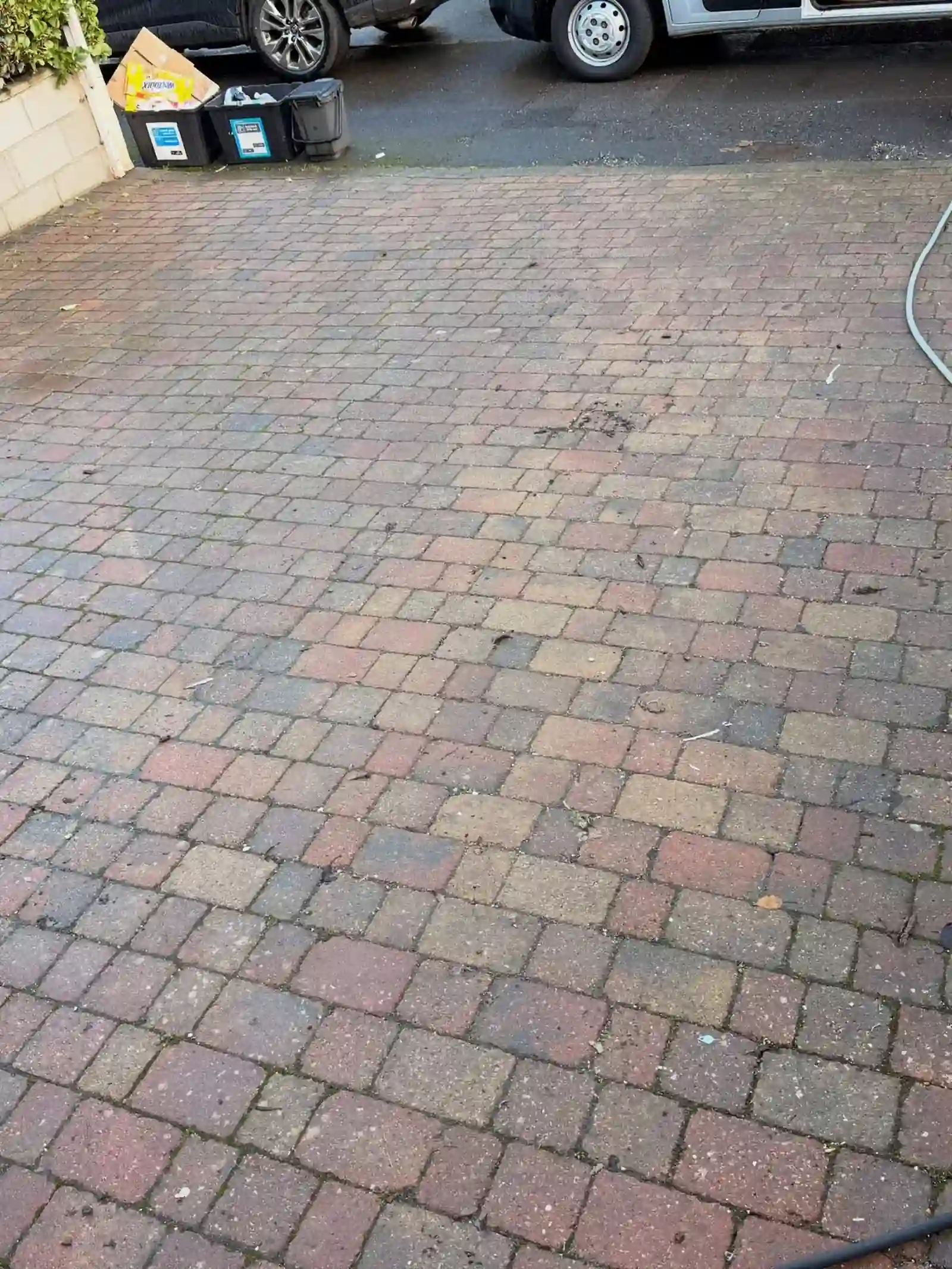
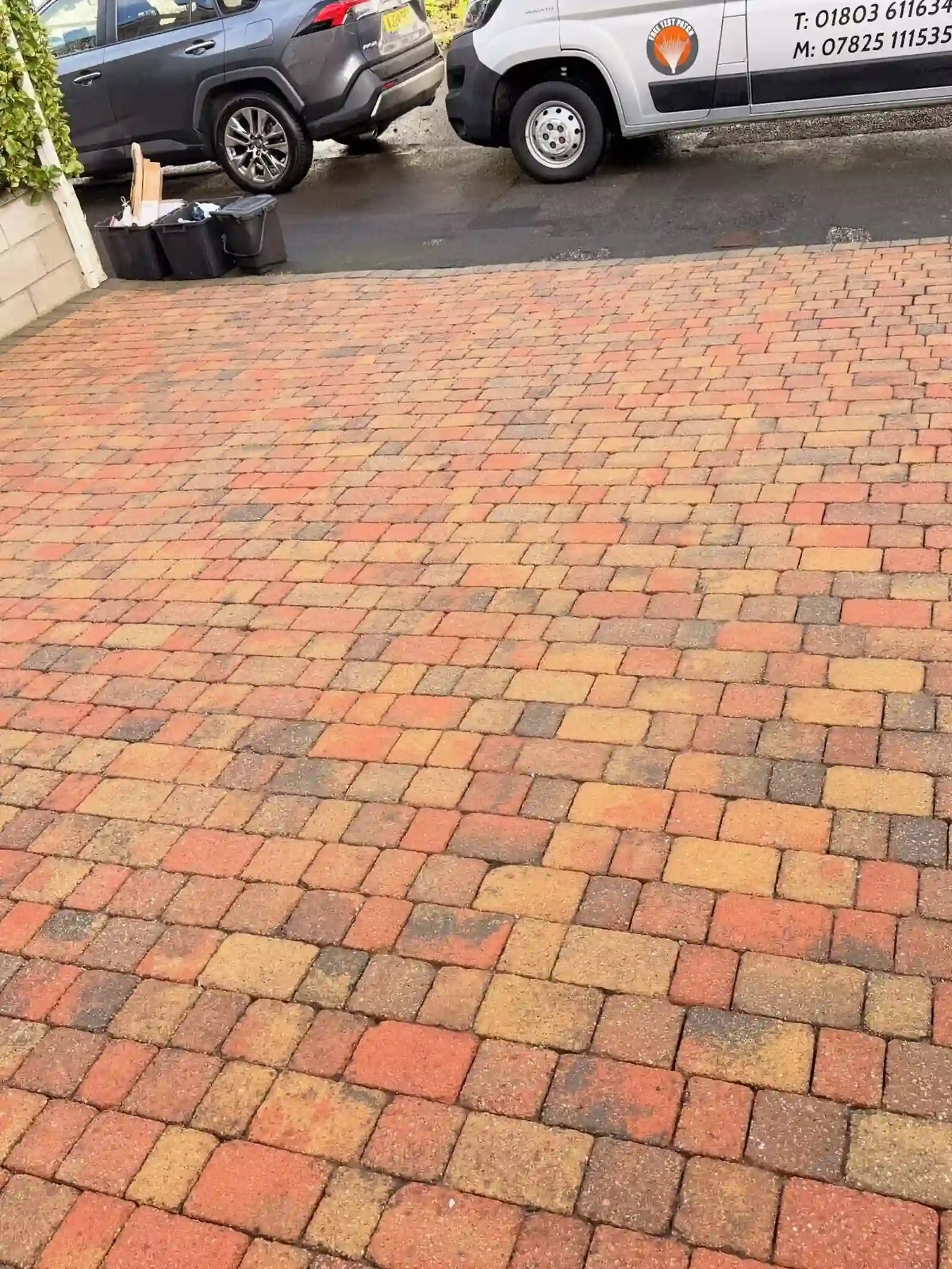
Block paving driveway restored
A dull, grimy block paved drive brought back to its original warm colours in a single visit.
Read the full case study
Torquay's exterior cleaning specialists
Fast, friendly, no-obligation pricing.
30+ years' experience
Decades of know-how on every surface type.
Fully insured
SafeContractor approved and PASMA trained.
Reliable & on time
We turn up when we say and leave it tidy.
5★ rated
80+ five-star reviews from Torquay customers.
About us
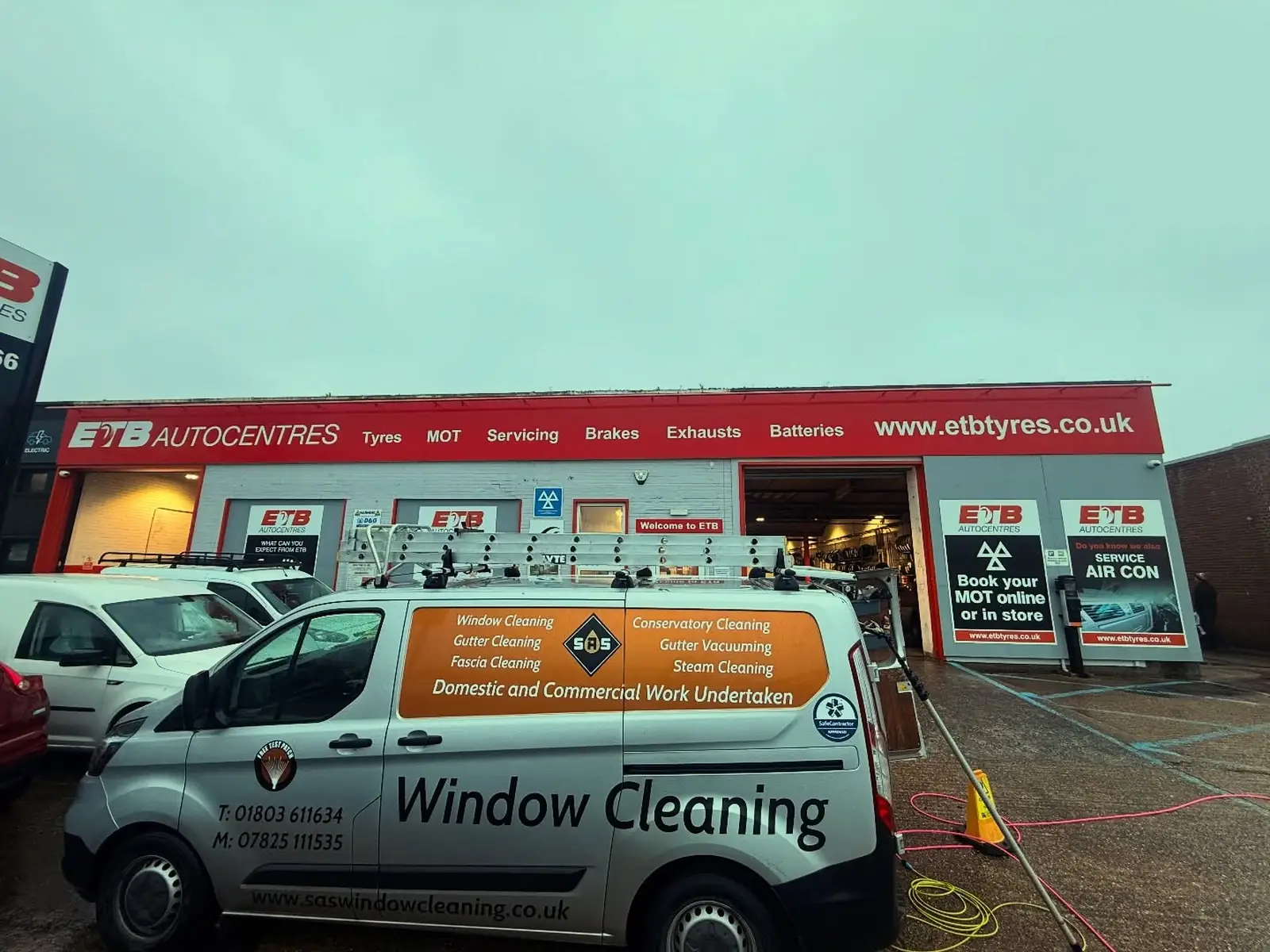
SAS Window Cleaning is a local Torquay business with 30 years of experience in pressure washing and exterior care. We assess surface condition, choose a suitable method and explain what can realistically be improved before work begins.
1000+
Happy customers
80+
5-star reviews
2000+
Finished projects
30+
Years' experience
Walls · paths · steps · bin stores
From shaded walking routes to weathered garden masonry, cleaning starts with identifying the surface and the deposits, not selecting maximum pressure.
For garden seating areas and vehicle entrances, see our patio and driveway cleaning.
A hard surface does not need pressure washing simply because its colour has changed. Start with how you use it: is loose dirt being carried indoors, is growth covering the walking route, or has a grubby coating hidden the original texture? Cleaning can help with deposited dirt and suitable surface growth. It will not straighten uneven paving or replace a worn finish. For a path in Torquay, the useful question is what needs removing, rather than how forcefully the equipment can spray.
If the area is sound and an ordinary sweep leaves it looking acceptable, a deeper wash may be unnecessary. Equally, crumbling edges, hollow patches or open joints need attention before a machine is brought in. Let the cleaner know about previous repairs and any coating you have applied, even if its name is uncertain. That background helps distinguish removable contamination from deterioration, so the proposed work addresses the actual problem instead of making an existing weakness more obvious. If you are unsure whether a small section needs machine cleaning, ask about starting with the least intensive suitable option. Removing loose material and checking the exposed surface can clarify the next step. That approach is particularly useful where several finishes meet, because it avoids committing the whole area to a process before their different conditions have been understood.
Sound concrete paths, stone steps, brick garden walls and painted masonry do not share one cleaning specification. We check texture, pointing, existing coatings and condition before choosing a tool or treatment. A representative trial includes an ordinary weathered area rather than only the easiest corner. Soft stone, loose mortar or peeling paint can rule out pressure washing; a gentler compatible method or repair may be the sensible next step.
Pressure is only part of the method. Nozzle selection, working distance, water flow and the direction of travel also affect the result. A controlled approach should lift contamination without repeatedly scouring an awkward mark. Softer masonry, flaking paint and vulnerable joints may call for gentler treatment or no washing at all. If your request includes timber or coated metal alongside paving, identify those items separately rather than assuming the same process will suit everything within reach of the hose.
General grime often hides other marks, so the final appearance cannot always be judged before cleaning starts. Rust beneath metal furniture, grease around a bin area and staining from leaves need different consideration. Explain what caused a mark if you know, and mention any household cleaner already tried. Mixing unknown residues with another product is not a sensible shortcut. A suitable targeted treatment may be considered, but an absorbed stain can remain visible after loose dirt has been removed.
The aim is a cleaner surface, not a different material. Aggregate, mineral variation, old repairs and faded coatings can become more apparent once the dirty film has gone. On walls, discolouration linked to moisture movement needs investigation rather than repeated washing. Ask what improvement is realistic for the particular marks that concern you. It is better to agree an acceptable result with those limitations understood than to chase uniform colour by using a harsher process on an already clean area.
Before work begins, think about where the water and loosened dirt will travel. Steps, door thresholds, air bricks and neighbouring boundaries deserve particular attention. Point out any drain that backs up or any area where water collects. The cleaning plan should account for runoff rather than relying on it disappearing somewhere convenient. If the wash involves products, their handling and disposal also need consideration; dirty water should not simply be directed towards planting, open ground or a nearby drainage opening without assessment.
Clear light belongings from the working area and discuss larger items before the visit. Close windows, bring in washing and keep pets away from hoses, wet surfaces and treatment areas. Let the cleaner know about outdoor sockets, delicate planting and gates that cannot remain open. Access in Babbacombe or Watcombe should be assessed on the actual property layout, not assumptions about the neighbourhood. Agree whether an outdoor water supply is needed and how equipment will reach the area without obstructing your usual entrance.
A clear quote names the walls, paths, steps and bin-store floors to be cleaned and shows where the job stops. Ask whether suitable pre-treatment, edge detailing, nearby splash rinsing and collected debris removal are included. Grease near refuse containers needs separate assessment from leaf film on a walking route. Emptying bins or removing stored rubbish is not automatically part of washing the surrounding surfaces.
Access, difficult stain work and any particular water-handling measures should be recorded in the proposal. If a test reveals a fragile finish or concealed defect, we pause to discuss the next step. Cleaning a wall does not include repainting or repairing its pointing. You can choose complete useful sections, such as the gate-to-door route, rather than commissioning isolated patches that create an accidental-looking contrast.
Follow the advice for the chosen treatment before using the area again. Keep people and pets away from the active work and take care on damp steps. Sweep loose leaves and soil rather than repeatedly washing sound joints with a powerful jet. If a border keeps spilling onto a path or a fitting drips onto masonry, deal with that source too: a clean cannot prevent new deposits arriving.
Judge future cleaning by condition rather than a rigid calendar. Shaded corners, regularly used routes and sheltered recesses can behave differently within the same property. A small patch of dirt may only need local attention, while recurring damp staining might indicate drainage or another maintenance issue. If the clean has exposed loose material, arrange an appropriate repair before it receives further washing. Keeping a note of the method and any product used also helps the next cleaner avoid incompatible treatments or unnecessary repetition.
What we offer
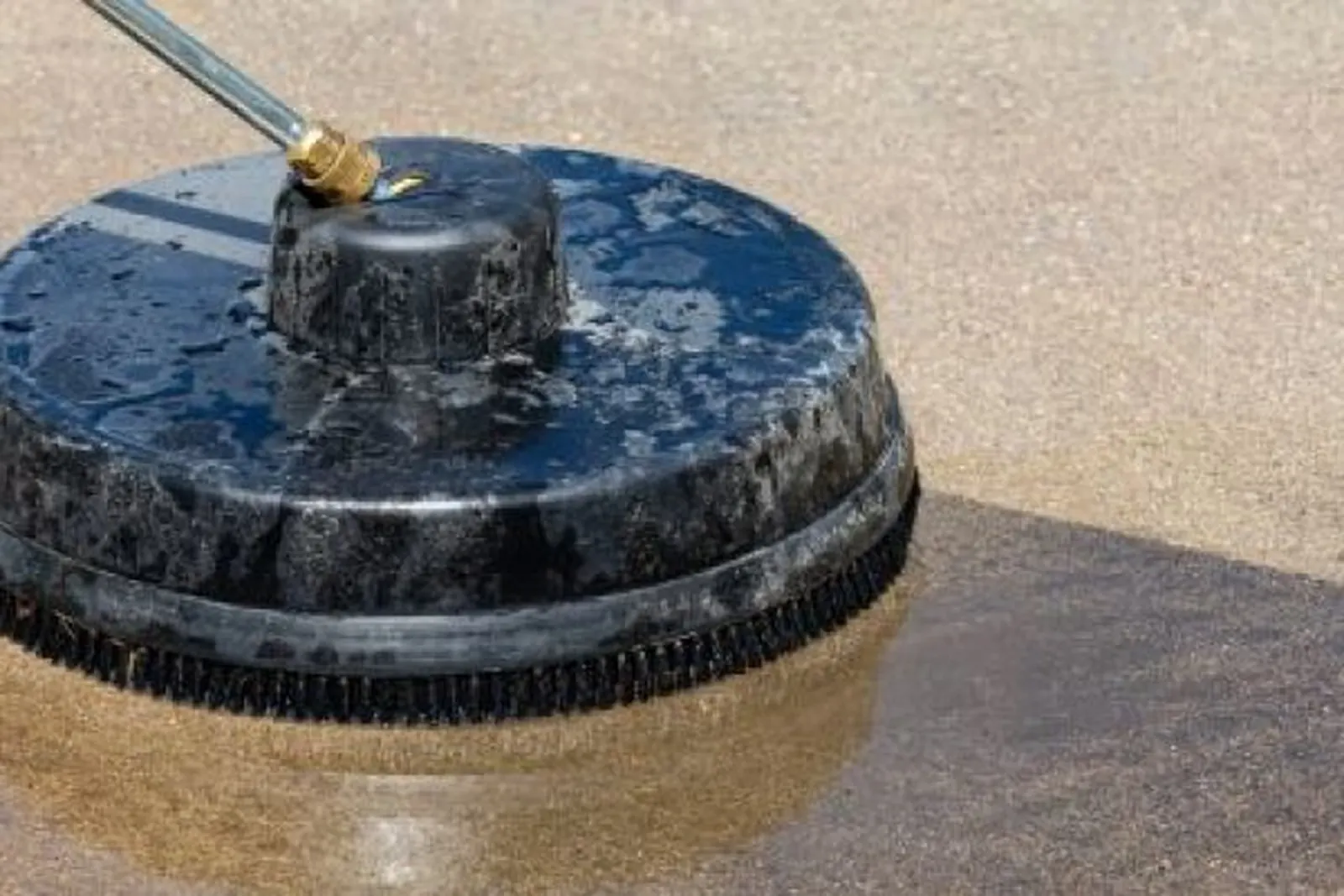
Careful cleaning for garden paving and vehicle entrances. Re-sanding and suitable sealing options are agreed for the surface.
Learn more
Streak-free, sparkling windows — frames and sills included.
Learn more
Removing moss, algae and debris to protect your roof for longer.
Learn more
Clearing blockages so water flows freely and protects your property.
Learn more
Keeping shops, offices, holiday lets and sites looking their best.
Learn more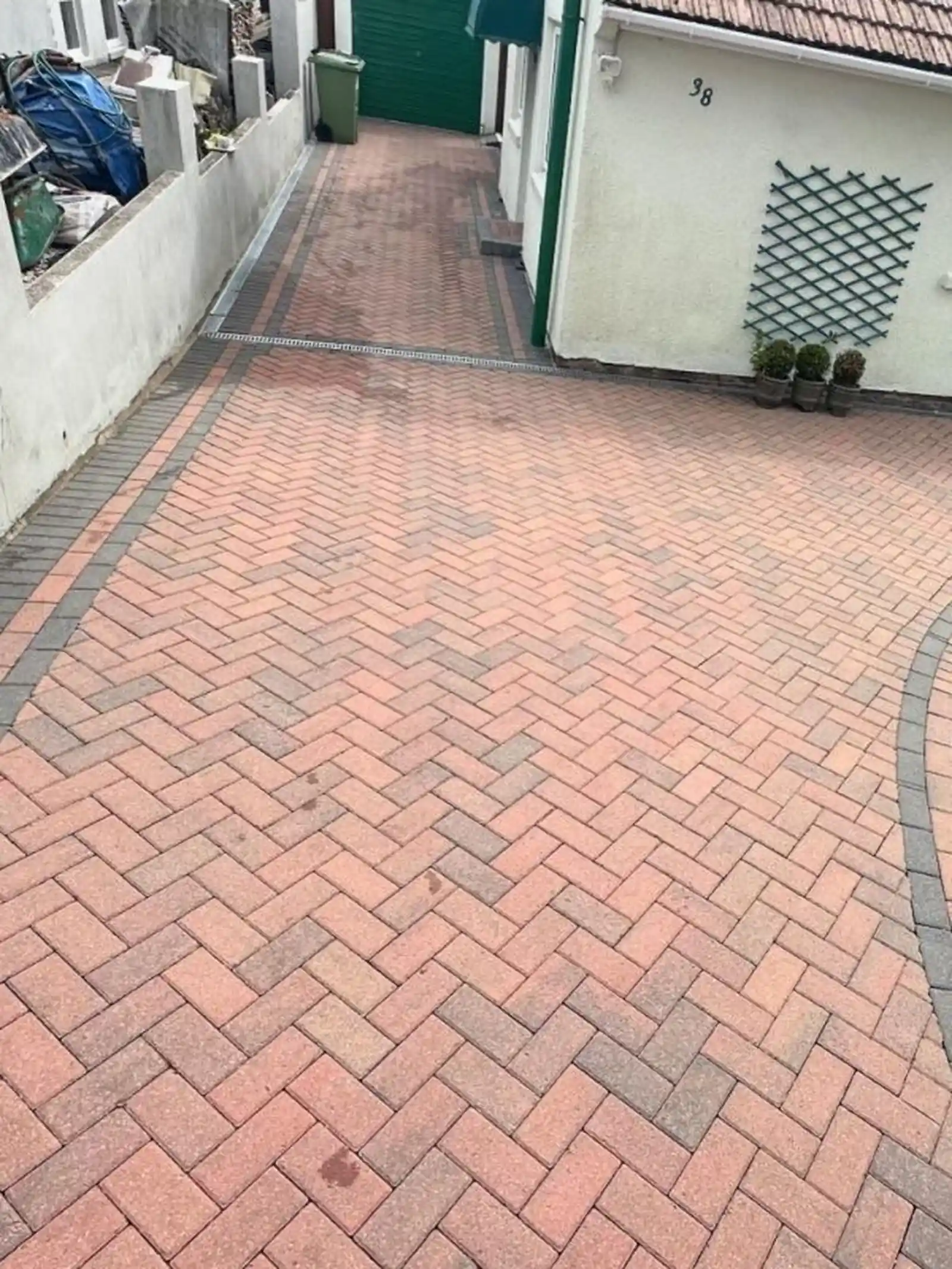
Low-pressure render washing to reduce green and dark surface staining.
Learn moreHow it works
Get in touch
Fill in the form, call or WhatsApp us with a few details.
Free quote
We'll give you a clear, fixed price — no hidden extras.
We clean
Our insured team arrives on time and gets to work.
You enjoy
A spotless property, tidied up and ready to admire.
Gallery
Recent work
Explore the recorded jobs and their photographs. Each story links to its matching service.
Chelston, Torquay
A dull, grimy block paved drive brought back to its original warm colours in a single visit.
Read the full case study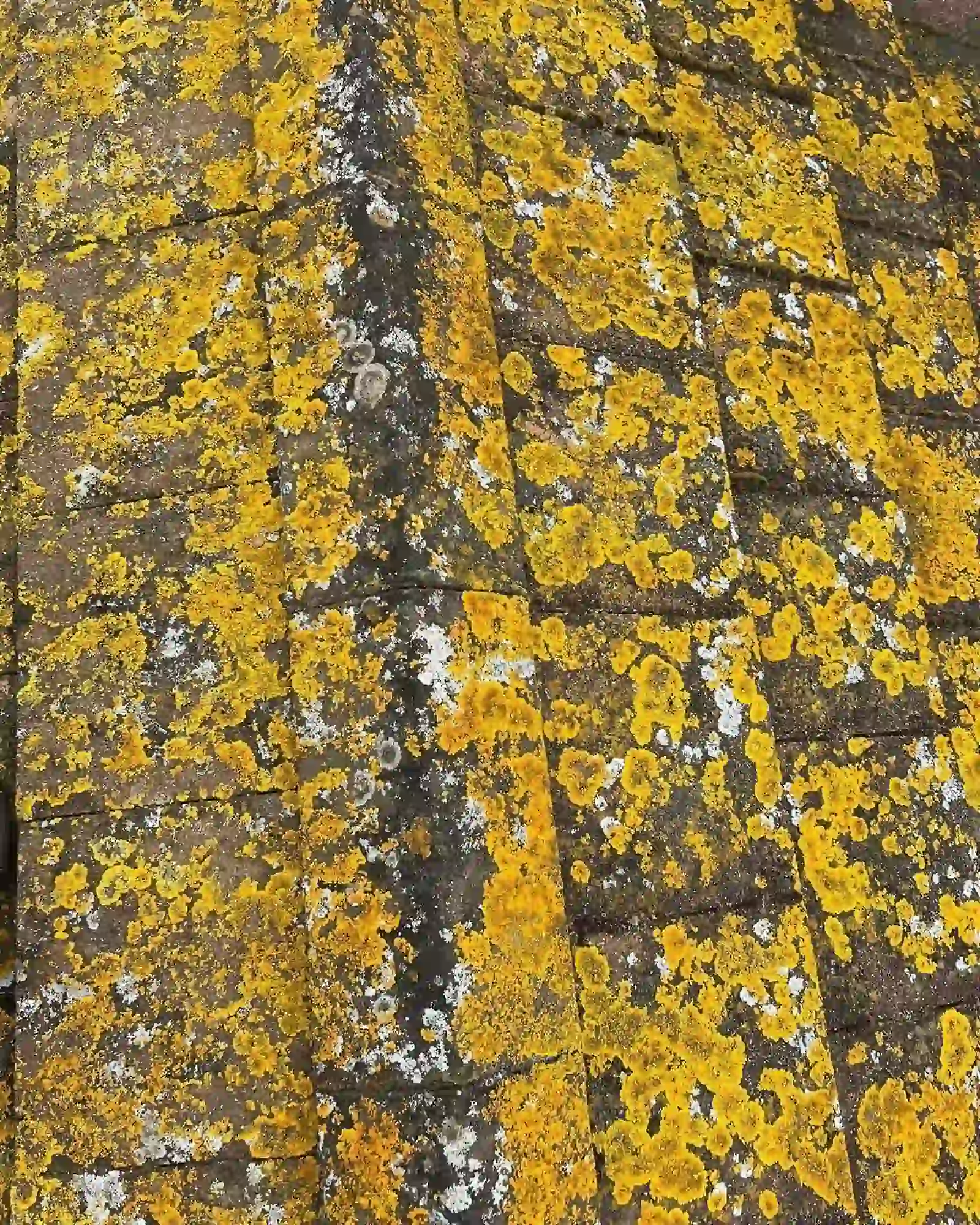
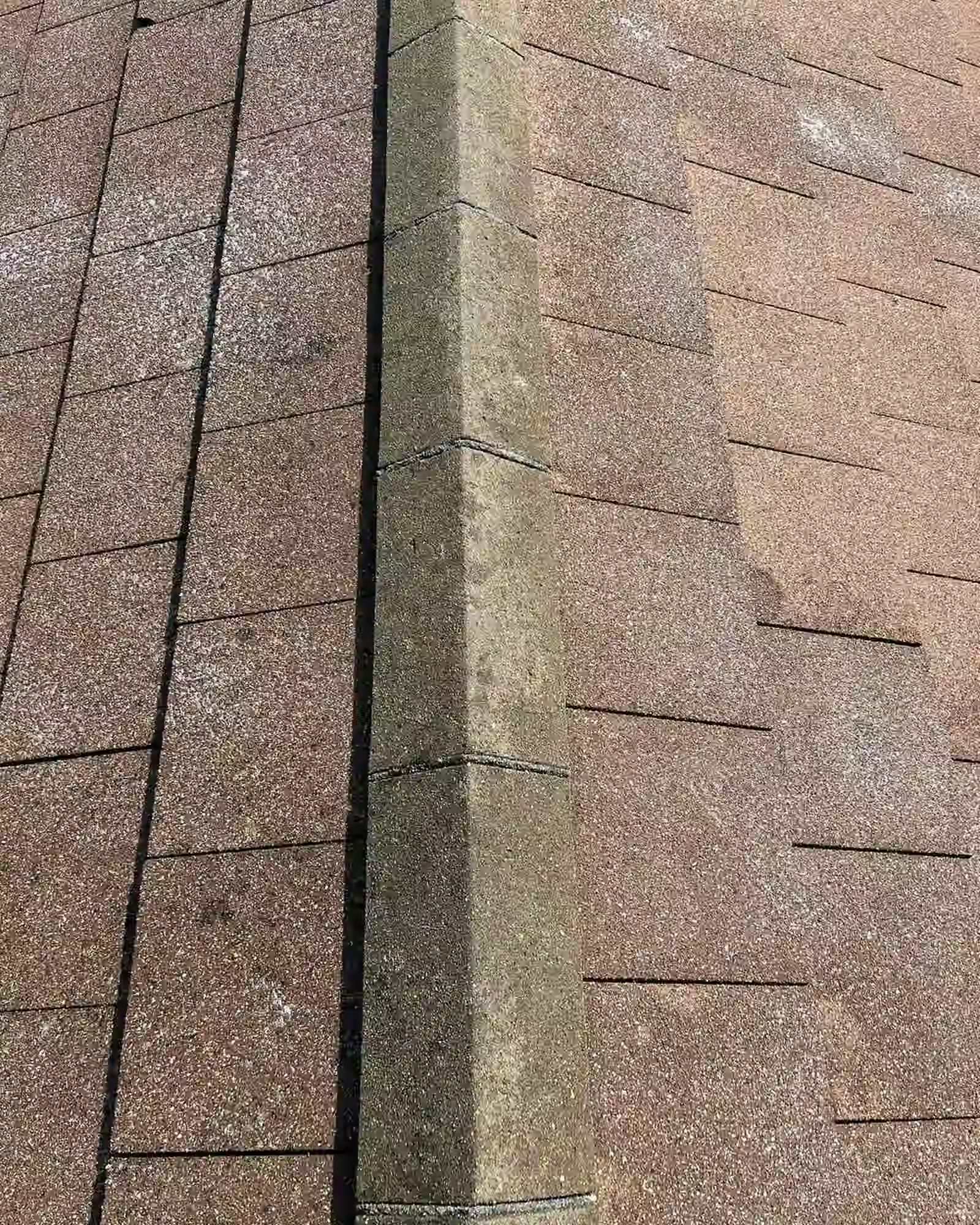
Babbacombe, Torquay
Thick yellow lichen cleared from tiles and ridge, then treated to stop regrowth.
Read the full case study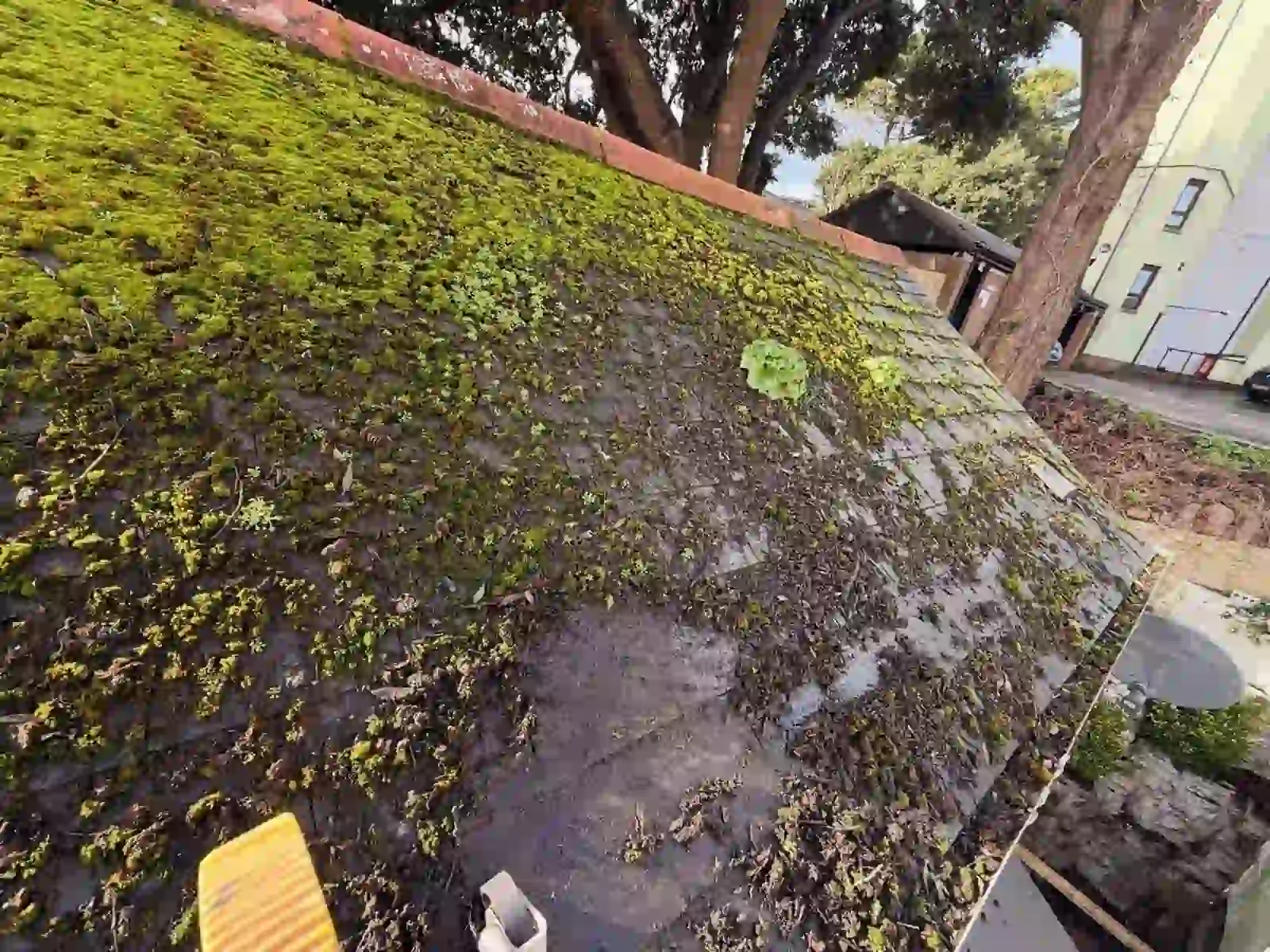
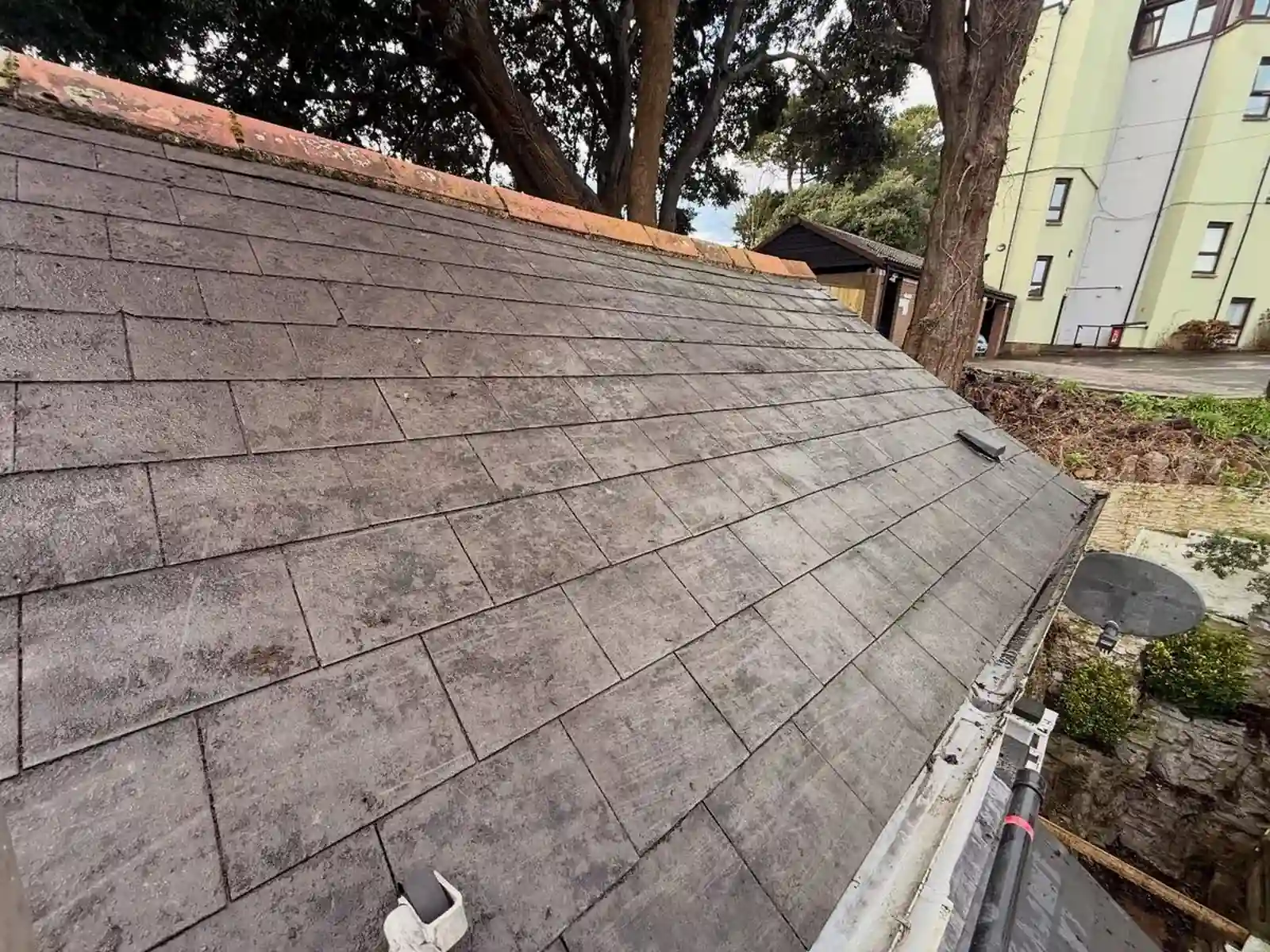
Watcombe, Torquay
A roof buried under moss stripped back to clean slate, with gutters cleared afterwards.
Read the full case studyGoogle reviews
★★★★★ 80+ five-star reviews
★★★★★
“I had a badly stained patio he treated the whole patio and deep cleaned it with hot water and a patio cleaning machine I was very impressed patio looks like brand new 😎”
★★★★★
“A professional, effective, timely, courteous, friendly cleaning service, provided by Simon and his small team.”
FAQs
We assess paths, steps, suitable garden walls, entrance routes and bin-store floors. The cleaning boundary and method are agreed for each material.
No. Sound brickwork and stone need assessment; loose pointing, soft masonry and peeling coatings can rule out forceful washing. A discreet trial guides the safest suitable approach.
Send your Torquay postcode, wide views of the surfaces, close-ups of problem marks and the route for equipment. Explain drainage issues or a doorway that must remain available.
No. Cleaning removes suitable deposits. Movement, crumbling joints and water-entry defects need separate repair advice before washing is considered.
Yes. We discuss the intended scope and give a free, no-obligation quote, with any particular stain work or access needs identified.
We assess its route and the deposits being removed. Products, sediment and oily residues must not simply be washed into the nearest drain or across a neighbouring boundary.
Yes. SAS is fully insured, SafeContractor approved and PASMA trained.
Sweep leaves and soil, keep accessible surface outlets clear and address recurring drips or border spillages. Avoid repeatedly directing strong jets at sound joints.
Areas we cover in Torquay
We cover Torquay homes and premises. Share your postcode and photographs so access and the cleaning scope can be checked.
Also across South Devon
Contact us
Need a quote or have a question? Call, WhatsApp or send us a message — we're open 24 hours, 7 days a week and always happy to help.
Call us
01803 424114Areas covered
Torquay & surrounding areas
Opening hours
Open 24 hours, 7 days a week
Fast, friendly, no-obligation pricing.
Accredited, insured & trusted by Torquay
 SafeContractor approved
 PASMA trained
 ★★★★★5★ Google reviews
 ★★★★★5★ Facebook reviews
 Checkatrade